You've decided to start yoga at home. You open an e-commerce app and within seconds you're staring at hundreds of mats. Some cost Rs 299. Some cost Rs 2,500. They all look the same in the photos. And the product descriptions all say the same thing: non-slip, durable, anti-sweat, perfect for beginners. You have no idea which one to trust.
This confusion isn't your fault. The yoga mat market in India is genuinely crowded, and price differences between tiers are not random. A Rs 2,000 mat is not four times better than a Rs 500 mat in every way. But in certain specific ways, for certain types of practitioners, it absolutely is.
Is a Rs 2,000 mat really worth it? Or is the Rs 500 one good enough? The answer depends on how often you practise, what surface you train on, and whether you're testing a new habit or committing to a daily routine. In this blog, we break down all three price tiers honestly so you can stop guessing and buy the right mat the first time.
What Actually Changes as the Price Goes Up?
Before diving into specific price tiers, it helps to understand what you're actually paying for when you move from a Rs 500 mat to a Rs 2,000 one. There are four things that meaningfully improve with price:
1. Material Quality
Budget mats are almost always made from PVC or thin EVA foam. These materials are cheap to produce, provide basic cushioning, and degrade relatively quickly. Mid-range mats move to NBR (Nitrile Butadiene Rubber) foam or TPE (Thermoplastic Elastomer), both of which are denser, more resistant to wear, and perform better in humid conditions. Premium mats use high-density TPE or natural rubber, which deliver the best grip, the most consistent cushioning, and the longest lifespan.
2. Grip and Sweat Resistance
This is where the difference is most noticeable in actual use. Budget PVC mats grip adequately when dry, but the surface becomes slippery within minutes of sweating on Indian marble or tile floors. Mid-range NBR and TPE mats have dual-sided anti-slip textures that handle moisture better. Premium mats, especially those using natural rubber or high-density TPE, maintain grip even in extended sweaty sessions. For anyone practising in a warm room or doing Vinyasa, this difference is significant for safety.
3. Thickness and Cushioning Consistency
A cheap foam mat starts at the advertised 6mm but compresses to 3 to 4mm within a few months of regular use. The foam loses density unevenly, creating pressure points on knees and wrists. Mid-range mats use denser materials that hold their thickness for longer. Premium mats maintain consistent cushioning across the full lifespan of the mat. This matters most for anyone with knee, wrist, or hip sensitivity.
4. Durability and Lifespan
Under regular use, a budget PVC or EVA mat typically lasts 6 to 12 months before the surface starts peeling, the edges fray, or the grip degrades. A mid-range NBR or TPE mat lasts 12 to 24 months. A premium natural rubber or high-density TPE mat, cared for properly, lasts 3 to 5 years. Over a 3-year period, replacing two or three budget mats costs more than buying one quality mid-range mat once.
Yoga Mats Under Rs 500- What to Expect
At this price point, you're working with basic PVC or thin EVA foam. The mat will be lightweight, easy to carry, and perfectly acceptable for occasional use. If you're trying yoga for the first time, still deciding whether you'll stick with a practice, or need a mat for once-a-week gentle sessions, the under Rs 500 tier is a reasonable starting point.
What you get:
- 4mm to 6mm thickness (though actual density is often lower)
- Basic anti-slip texture on one or both sides
- Standard 173cm x 61cm dimensions
- Lightweight at 600g to 800g
What you sacrifice:
- Grip becomes unreliable once your palms start sweating, which is a real safety issue on smooth Indian marble floors
- Surface peeling and edge fraying typically begin within 4 to 6 months of regular practice
- Thin foam compresses quickly, reducing joint protection faster than the price suggests
- Most are made from PVC, which is not eco-friendly and can have a chemical smell that lingers
The honest verdict for this tier: buy here if you're genuinely trying yoga for the first time and want to minimise financial risk. Do not buy here if you already know you'll practise regularly, because the mat's limitations will frustrate you within a few months.
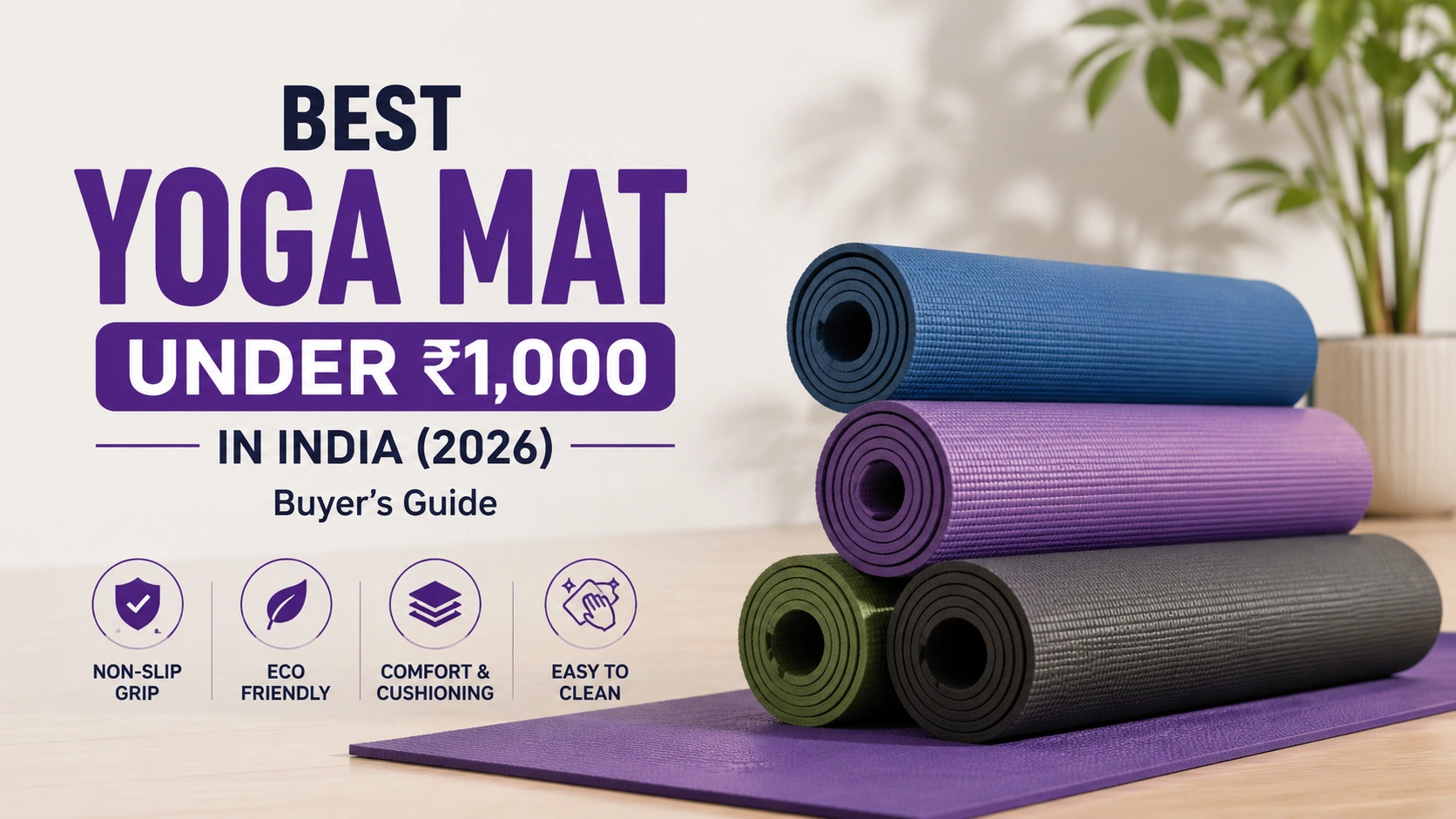
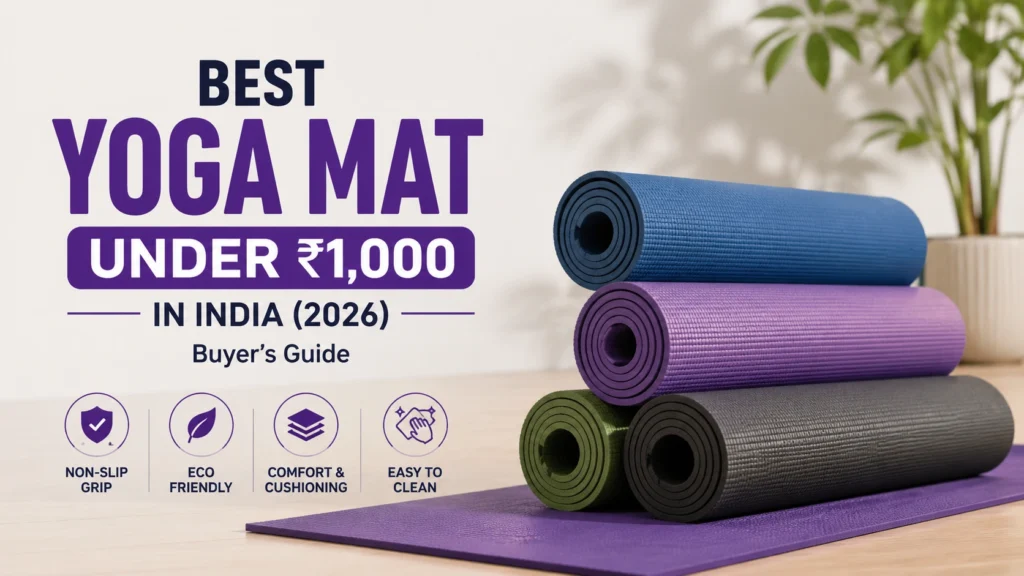
Yoga Mats Under Rs 1,000- The Sweet Spot for Most Indian Practitioners
This is where quality begins to make sense for regular home practitioners. Mats in the Rs 700 to Rs 1,000 range typically use NBR foam or TPE, both of which perform meaningfully better than budget PVC on every metric that matters for actual practice.
What you get in this range:
- 6mm NBR or TPE construction with genuine density that holds its shape over time
- Dual-sided anti-slip surfaces that grip Indian marble and tile floors reliably, even when wet with sweat
- Dimensions of 173cm to 183cm x 61cm covering standard practice needs
- Carry strap included on most mats in this range
- Expected lifespan of 12 to 24 months with regular care
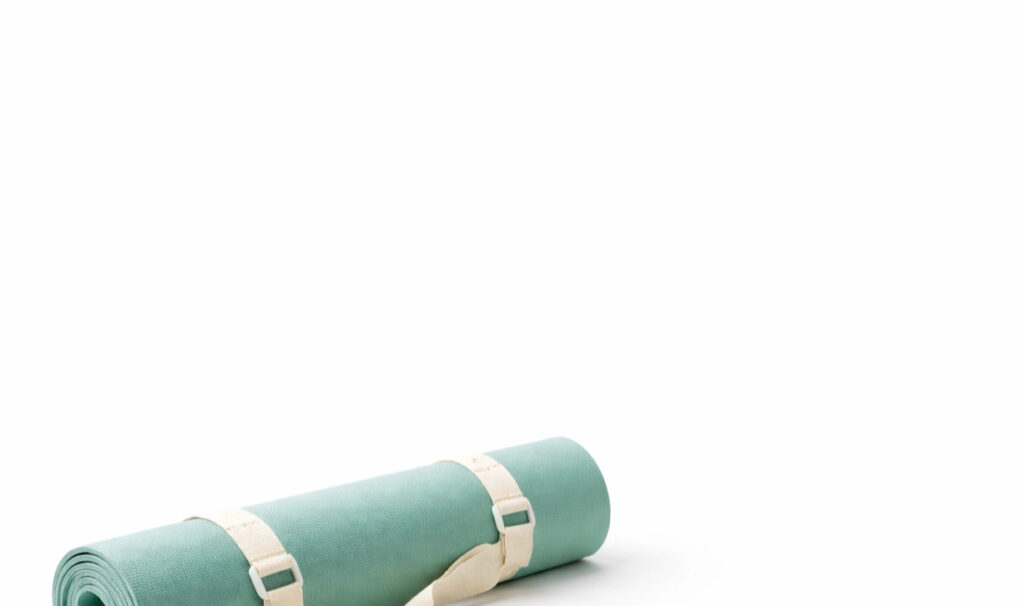
The Ahaniya blue yoga mat is a strong example in this range. It is built for the practical realities of Indian home practice: dual anti-slip surfaces for marble and tile, 6mm thickness that protects knees and wrists without compromising stability, and a durable construction that outlasts budget alternatives. If you're practising 3 to 4 times a week, this blue yoga mat from Ahaniya is a great example of what the Rs 1,000 tier should feel like.
For a detailed breakdown of the top options available at this price, including how they compare on Indian floor types, see our best yoga mats under Rs 1,000 India guide.
The honest verdict for this tier: this is the right price range for anyone who has already committed to a regular yoga practice at home. It covers most practitioners from beginner through intermediate level without overspending.
Yoga Mats Under Rs 2,000- Worth It for Daily Practitioners?
Mats in the Rs 1,200 to Rs 2,000 range typically use high-density TPE or natural rubber. These materials represent a meaningful upgrade over NBR foam in two specific areas: grip under sweat and long-term durability.
What you get at this price:
- High-density TPE or natural rubber construction that maintains grip during sweaty practice
- 6mm to 8mm thickness options that provide joint protection without foam compression
- Natural rubber versions offer the best wet-condition grip available in this price range, making them the material of choice for hot yoga and Vinyasa practitioners
- Lifespan of 3 to 5 years with proper care, making the higher upfront cost economical over time
- Often eco-friendlier materials, particularly TPE and natural rubber, compared to NBR foam
Who genuinely benefits from spending this much:
- Anyone practising yoga daily. At 5 to 7 sessions per week, a mat degrades faster and the investment in quality pays off within the first year.
- Hot yoga practitioners. The grip advantage of high-density TPE and natural rubber is most noticeable in heated or sweaty conditions where budget mats fail.
- Anyone with sensitive joints. The consistent cushioning of premium materials protects knees and wrists more reliably than NBR foam that compresses over time.
What you don't need to spend Rs 2,000 for: If you practise 2 to 3 times a week on a clean, climate-controlled surface, a good Rs 1,000 mat handles everything you need. The upgrade to Rs 2,000 is specifically valuable for daily practitioners and hot yoga conditions.
Side-by-Side Comparison Table
Here's exactly what you get at each price tier across the factors that matter for Indian home practice:
|
Price Range
|
Material
|
Thickness
|
Grip
|
Lifespan
|
Best For
|
|
Under Rs 500
|
PVC or thin EVA
|
4 to 6mm
|
Basic
|
6 to 12 months
|
Trying yoga once a week
|
|
Under Rs 1,000
|
NBR or TPE
|
6mm
|
Good
|
12 to 24 months
|
Regular home practice
|
|
Under Rs 2,000
|
High-density TPE or natural rubber
|
6 to 8mm
|
Excellent
|
3 to 5 years
|
Daily practice or hot yoga
|
All three tiers work for yoga. The differences show up in how long they last, how they perform under sweat, and how well they protect your joints over months of practice. For a complete guide to what else you need alongside your mat to set up a proper home practice space, see our home gym setup guide.
Our Verdict: Which Price Should You Pick?
Stop guessing based on price alone. Answer these three questions and the right tier becomes obvious:
- How often will you practise? Once or twice a week means a Rs 500 mat is fine. Three to four times a week means a Rs 1,000 mat pays off. Daily practice or hot yoga means a Rs 2,000 mat makes financial sense over time.
- What surface are you practising on? Indian marble and polished tile floors demand dual anti-slip surfaces. This rules out most Rs 500 mats for safety. The Rs 1,000 tier handles Indian floor conditions reliably.
- Do you have joint sensitivity? If your knees or wrists need extra protection, choose a mat whose thickness holds up over time. NBR and TPE at the Rs 1,000 tier do this better than budget PVC. Natural rubber at Rs 2,000 is the most consistent.
|
Your Situation
|
Recommended Range
|
Why
|
|
Trying yoga for the first time
|
Under Rs 500
|
Low risk, low cost to test the habit
|
|
Practising 3 to 4 times a week
|
Under Rs 1,000
|
Right balance of quality and price
|
|
Daily yoga or hot yoga sessions
|
Under Rs 2,000
|
Durability and grip justify the cost
|
|
Sensitive knees or wrists
|
Under Rs 1,000 (8mm)
|
Extra cushion protects joints
|
|
Limited space or need to travel
|
Under Rs 500 or Rs 1,000
|
Lighter, thinner options available
|
The clear recommendation: If you're still testing whether yoga is a habit you'll keep, spend under Rs 500. The moment you know you're staying with it, move to the Rs 1,000 tier. The Ahaniya blue yoga mat is a strong option in this range and a smart first real investment in your practice. Daily or hot yoga practitioners should consider the Rs 2,000 tier for grip and durability that holds up year after year.
If you're also building out a broader home gym setup around your yoga practice, our home gym under Rs 10,000 India guide shows how a yoga mat fits into a complete budget home training setup.
Conclusion
Price matters, but only in context. A Rs 500 mat is the right choice for someone testing a new habit. A Rs 1,000 mat is the right choice for someone who has committed to regular practice. A Rs 2,000 mat is the right choice for daily practitioners and hot yoga sessions where grip and long-term durability justify the investment.
Most Indian home practitioners who practise 3 to 4 times a week land firmly in the Rs 1,000 tier. It handles Indian floor conditions, protects your joints, and lasts long enough that the cost-per-session is lower than a budget mat that needs replacing within a year.
The Ahaniya blue yoga mat is a strong starting point in this range. Explore the complete yoga mats and essentials collection to find the right mat and accessories for your practice level and budget.
Frequently Asked Questions
1. Is a cheap yoga mat bad for your joints?
A basic PVC or EVA mat under Rs 500 provides adequate initial cushioning for most standing poses. The joint protection problem develops over time, not immediately. As cheap foam compresses with regular use, the effective thickness drops from the advertised 6mm to 3 or 4mm. On Indian marble or tile floors, this reduced cushioning transmits significant pressure to your knees and wrists during floor poses like downward dog, tabletop, and low lunge. If you have existing joint sensitivity, start with at least an NBR or TPE mat in the Rs 700 to Rs 1,000 range where the foam density holds its shape longer.
2. How long does a Rs 1,000 yoga mat last in India?
A quality NBR or TPE mat in the Rs 700 to Rs 1,000 range lasts 12 to 24 months with regular use and proper care. The key variables are how often you practise, whether you wipe the mat clean after each session, and how you store it. Rolling rather than folding, air-drying completely before storage, and keeping it away from direct sunlight all extend the lifespan significantly. In India's monsoon humidity specifically, allowing the mat to dry fully before rolling it up prevents bacterial growth and surface degradation that shortens lifespan.
3. Does thickness matter more than material?
Material determines grip and longevity. Thickness determines comfort. Both matter, but material is the more important variable for most Indian home practitioners because grip is a safety issue on smooth floor surfaces, and a mat that has lost its grip is dangerous regardless of how thick it is. That said, thickness becomes the priority if you have sensitive knees or wrists, because inadequate cushioning causes injury over time. The best approach is to choose a material first (NBR or TPE for the Rs 500 to Rs 1,000 range) and then select the thickness that suits your practice style within that material tier.
4. Can I use a yoga mat for HIIT workouts?
Yes. A 6mm NBR or TPE mat handles bodyweight HIIT exercises, core circuits, resistance band workouts, and floor-based strength training in addition to yoga. The same anti-slip properties that protect you during yoga poses also protect you during jumping jacks, burpees, and plank variations. For higher-impact activities, a slightly thicker mat at 6 to 8mm protects your wrists and knees better during extended sessions..
5. What is the best yoga mat brand in India under Rs 1,000?
Several Indian brands produce reliable mats in this range. The key criteria are NBR or TPE material (not basic PVC), dual-sided anti-slip surface, 6mm genuine density, and a carry strap. Among options available from Indian brands and on Indian marketplaces, the blue yoga mat from Ahaniya is built for the specific floor conditions and humidity that Indian home practitioners deal with. For a full comparison of the top-rated options, our best yoga mats under Rs 1,000 India guide reviews each option in detail.
6. Which yoga mat brand is best in India?
For the Rs 500 to Rs 1,000 range in India, look for brands offering NBR or TPE mats with proven dual anti-slip performance on marble floors. Boldfit, WiseLife, and Cosco are widely reviewed Indian options at this price. For the Rs 1,000 to Rs 2,000 range, high-density TPE options from Indian fitness brands provide good durability. Premium international brands like Manduka and Jade Yoga are available in India but at significantly higher prices that are rarely necessary for home practitioners.
7. Which thickness of yoga mat is best for Indian beginners?
6mm is the recommended starting thickness for most Indian beginners practising on marble or tile floors. It provides enough cushioning to protect knees and wrists during learning without being so soft that it destabilises balance poses. If you have pre-existing knee, hip, or wrist sensitivity, 8mm is worth considering. Anything below 4mm provides insufficient joint protection for floor-based practice on hard Indian floors.
8. What material should I avoid in yoga mats?
For regular home practice in India, avoid basic PVC at the lower end of the market. Standard PVC becomes slippery when wet, degrades faster in monsoon humidity, and raises environmental concerns due to its non-biodegradable nature. Some low-quality PVC mats also have a persistent chemical smell that is unpleasant during practice. If your budget is under Rs 500 and PVC is unavoidable, ensure it has a dual-sided anti-slip texture and pair it with a yoga towel for sweaty sessions.
9. Is a 5mm or 3mm yoga mat better?
For most Indian home practitioners, 5mm is better than 3mm. A 3mm mat provides excellent ground connection and is suitable for dynamic styles like Ashtanga and Vinyasa, but offers insufficient cushioning for extended floor sequences on marble floors. 5mm gives you a better balance of stability and joint protection. Travel mats use 1 to 3mm to minimise weight, but these are purpose-built for portability, not daily home practice.