Setting up a home gym is one of the most practical investments you can make for your long-term health and lifestyle. It gives you the freedom to train on your schedule, eliminates travel time, and creates a consistent workout environment at home. However, building an effective setup is not just about buying equipment.
It requires thoughtful planning based on your available space, fitness goals, and budget. A well-structured home gym should feel comfortable, functional, and motivating. When planned correctly, even a small area can deliver results similar to a commercial gym while offering complete convenience and privacy.
Plan Your Home Gym Setup the Right Way
A smart setup starts with understanding your space, goals, and how you will use the equipment daily.
1. Assess Your Space and Plan the Layout
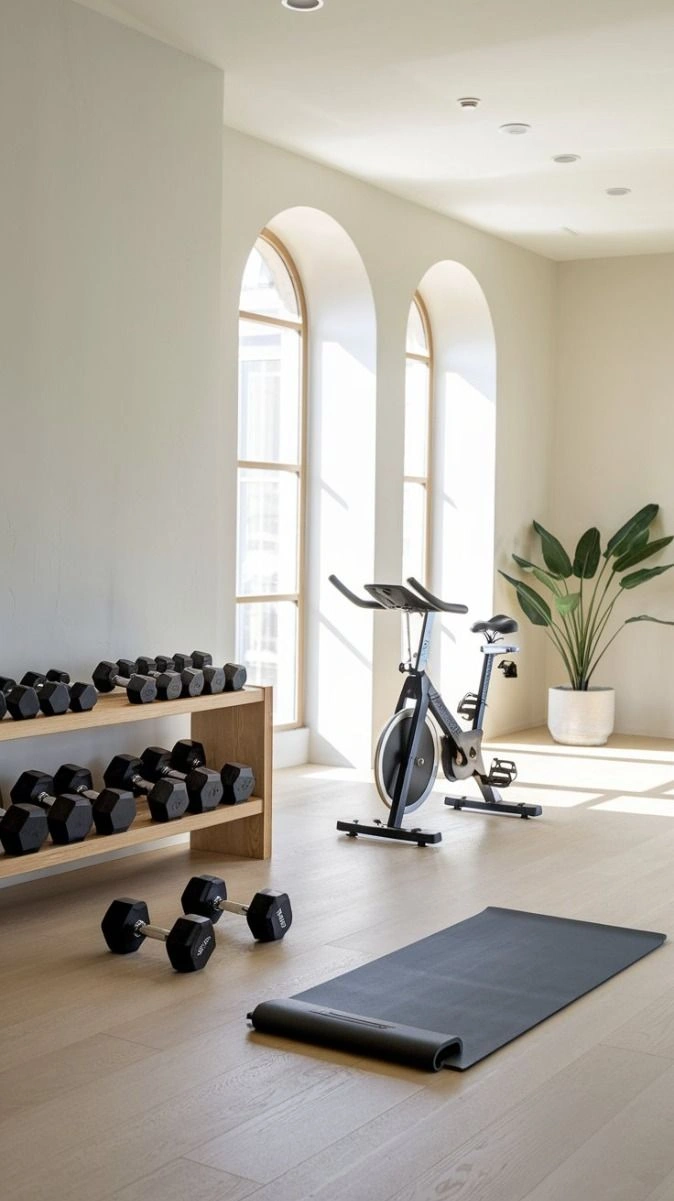
Start by identifying how much space you can realistically use. A functional home gym does not require a full room. Even 100 to 150 square feet or a dedicated section of a room is sufficient for a beginner setup.
Divide your space into zones if possible:
- Cardio area for machines like treadmills or bikes
- Strength area for weights and resistance tools
- Floor area for stretching and mobility
Maintain enough clearance around equipment to ensure safety and ease of movement.
2. Define Your Fitness Goals
Your equipment selection should align with your primary objective.
- For weight loss, focus on cardio equipment such as treadmills or exercise bikes
- For muscle building, include strength tools like dumbbells and kettlebells
- For flexibility and recovery, prioritize yoga mats and mobility accessories
Clarity in goals helps avoid unnecessary purchases and ensures better results. Your nutrition should also support these goals, and a personalised nutrition plan can help align your meals with your training needs and daily routine.
3. Plan Your Budget Strategically
You do not need to invest heavily at the beginning. A phased approach is more effective.
Start with essential items:
These allow full-body workouts at a low cost. As your training progresses, you can add more advanced equipment
4. Choose Equipment Based on Space and Versatility
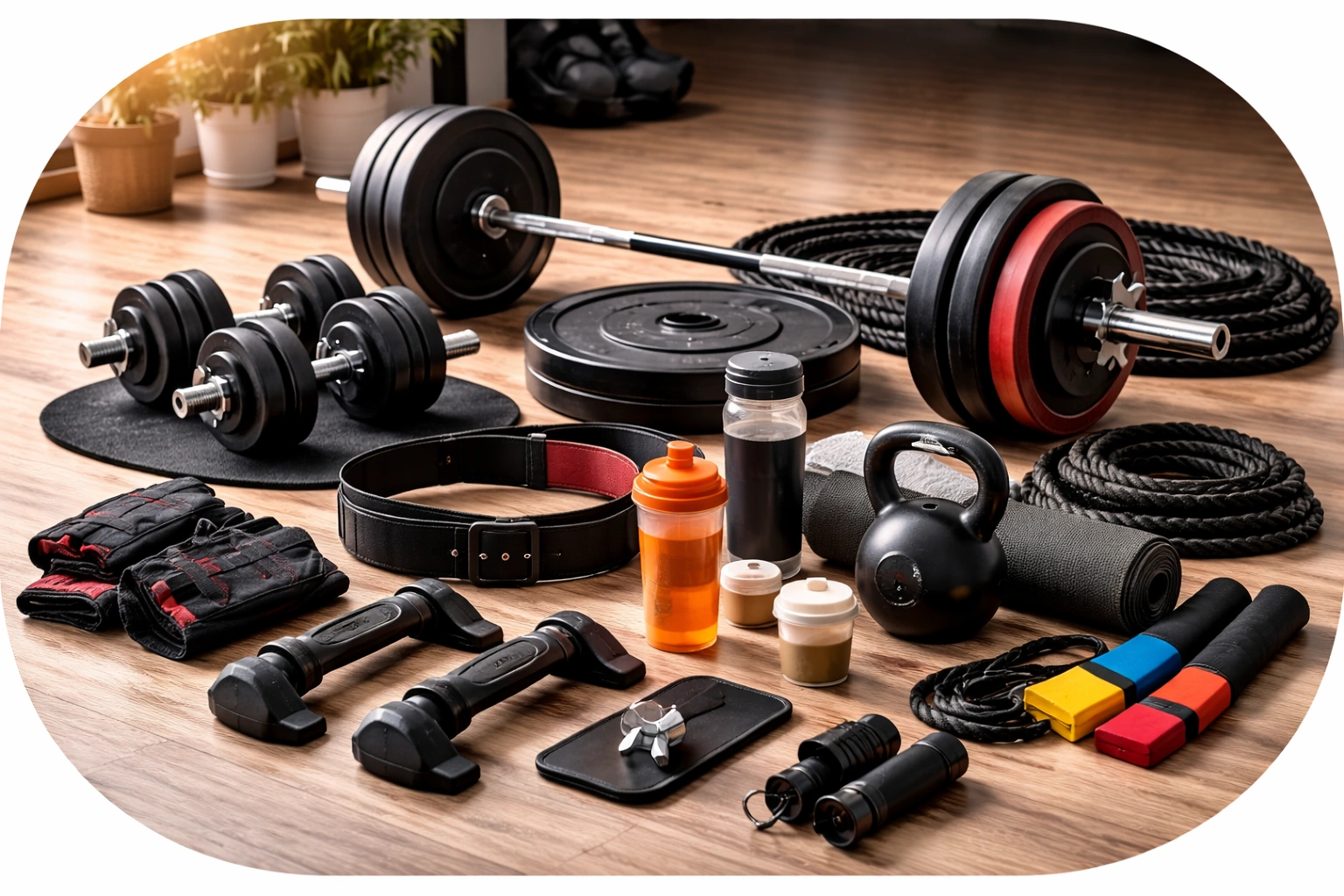
While choosing fitness equipment for home setups, multi-functional equipment is more valuable than single-use machines.
Recommended beginner equipment:
- Resistance bands for flexibility and progressive resistance
- Yoga mat for floor exercises
- Kettlebells for combined strength and conditioning
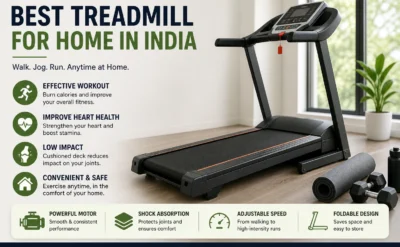
- Foldable treadmill or walking pad for cardio
5. Consider Ceiling Height and Safety Clearance
Ceiling height is often overlooked but is important for safe training.
- Ideal ceiling height is 8 to 9 feet
- Ensure at least 2 feet of overhead clearance
- Avoid placing equipment too close to walls
This allows safe execution of exercises such as overhead presses and stretching movements.
6. Evaluate Power Supply and Ventilation
If your setup includes electrical equipment:
- Ensure proper power outlets are available
- Avoid overloading circuits or using unsafe extensions
- Maintain good ventilation and lighting
A well-lit and ventilated environment improves workout performance and comfort.
7. Select Appropriate Flooring
Flooring plays a key role in safety and durability.
- Rubber flooring is suitable for heavy weights and machines
- Foam mats work well for yoga and light workouts
- Interlocking mats offer flexibility and easy installation
Proper flooring protects both your equipment and your home.
8. Optimize Storage and Organization
Efficient storage keeps your gym functional and clutter-free.
- Use wall hooks for resistance bands
- Choose foldable or compact equipment
- Store items vertically to save space
- Keep the central workout area clear
An organized setup improves usability and consistency.
9. Build a Small Space Setup Effectively
A compact home gym can still support complete training.
Example setup:
- Yoga mat for floor exercises
- Adjustable dumbbells for strength
- Resistance bands for mobility
- Foldable treadmill for cardio
This combination covers strength, endurance, and flexibility within limited space.
Conclusion
A successful home gym is not defined by the amount of equipment but by how effectively it supports your routine. Focus on planning your space, selecting versatile equipment, and building your setup gradually.
A structured approach ensures better results, improved safety, and long-term consistency. Platforms like Ahaniya aim to support this process by offering equipment that fits modern home fitness needs.
FAQs
1. What is the 3-3-3 rule at the gym?
It refers to a basic routine structure of three exercises, three sets, performed three times per week, suitable for beginners.
2. How to design a home gym in a small space?
Use compact, multi-functional equipment, maintain open floor space, and prioritize vertical storage.
3. What is the 70/30 rule in gym?
It suggests that 70 percent of fitness results come from nutrition and 30 percent from exercise.
4. How much space is needed for a small home gym?
Approximately 100 to 150 square feet is sufficient for a beginner-friendly setup.
5. What is the 3 2 1 rule in gym?
Three strength sessions, two cardio sessions, and one rest day per week.
6. Why is Gen Z focused on fitness?
Increased awareness of health, lifestyle trends, and social media influence contribute to this shift.
7. What are the golden rules of gym training?
Consistency, correct form, gradual progression, and adequate recovery.
8. Is training for 3 hours necessary?
No. Effective workouts typically range between 45 to 75 minutes for most individuals.