You're paying Rs 1,500 to Rs 2,500 every month for a gym membership. That's Rs 18,000 to Rs 30,000 a year, every year, for a facility you share with strangers, travel to in traffic, and can only use during their hours. Now here's the number that changes the math is Rs 10,000.
That's all it takes to build a home gym that covers strength, cardio, and flexibility. One payment. No commute. No waiting for machines. No membership renewal anxiety in January.
This guide gives you the exact equipment list, a real budget breakdown, a weekly workout plan, and everything you need to walk away with a complete shopping list ready to go. By the time you finish reading, you'll know precisely what to buy and in what order.
Is Rs 10,000 Enough for a Real Home Gym?
The honest answer: yes, if you spend it on the right things.
The mistake most people make is chasing machines. Treadmills, multi-gym stations, cable towers. These eat your entire budget on a single piece of equipment, leave you with no room to move, and often gather dust within three months.
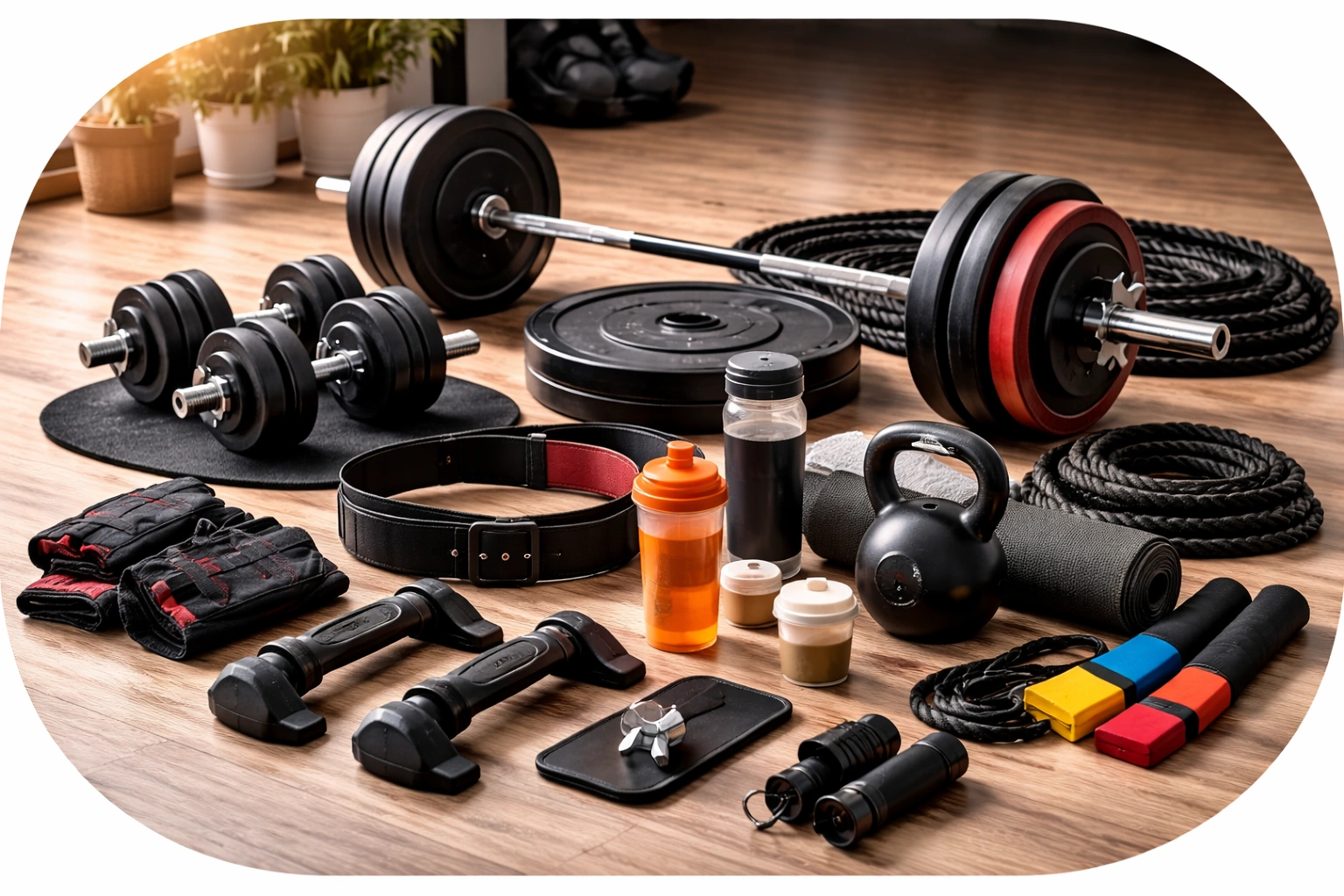
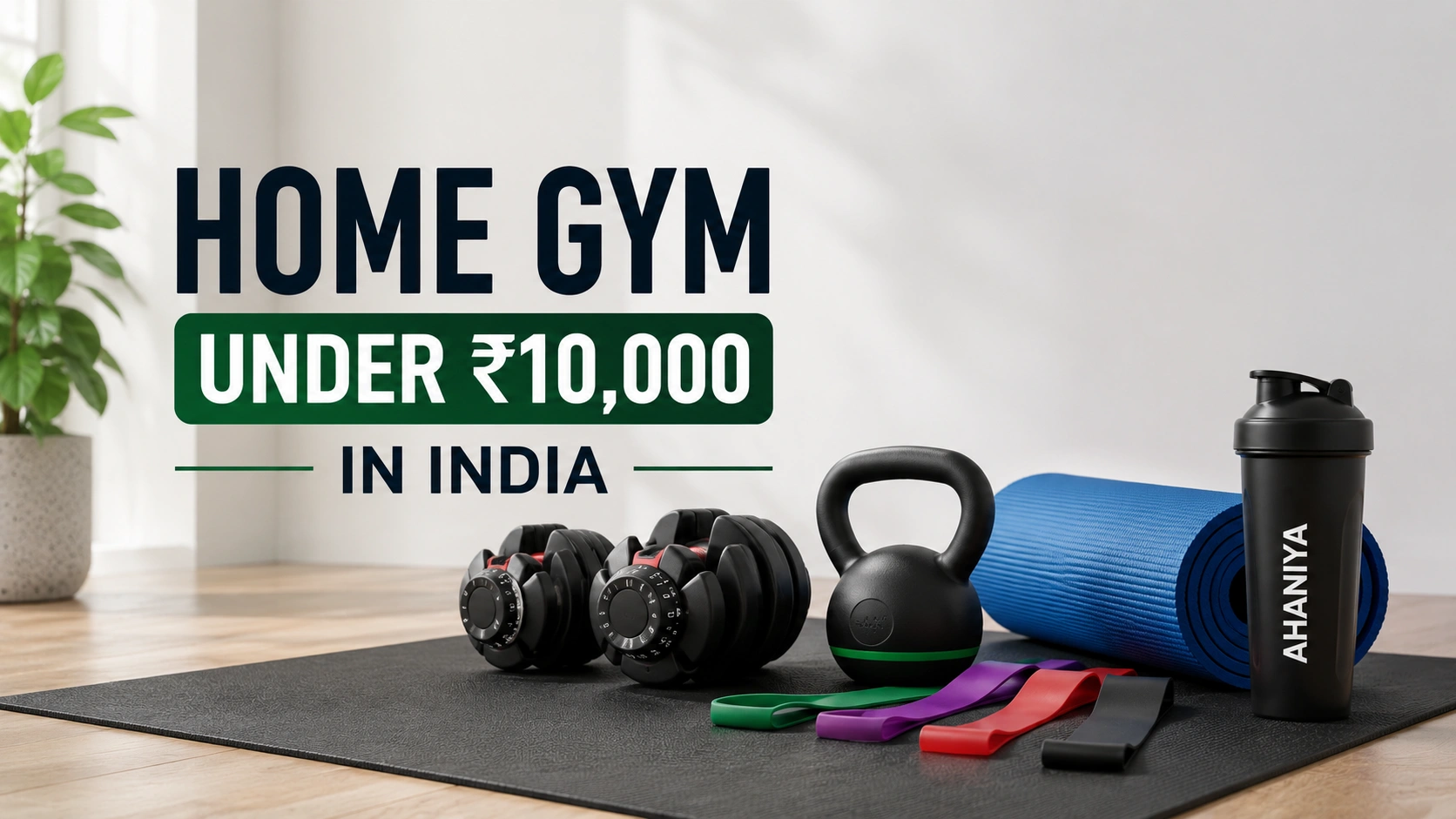
The smarter approach is free weights and resistance tools. They're compact, versatile, and they scale with you as you get stronger. With Rs 10,000 you can get:
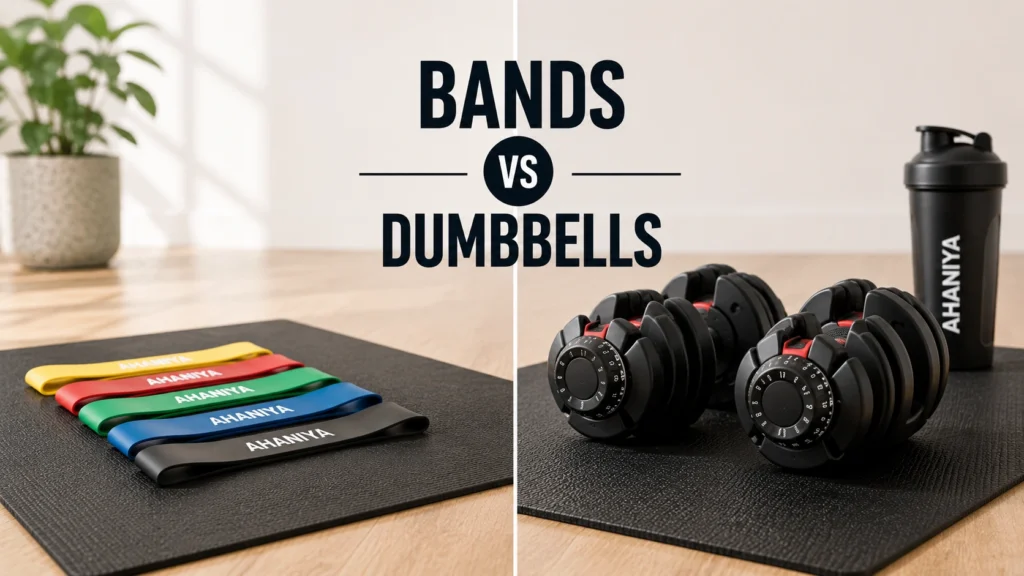
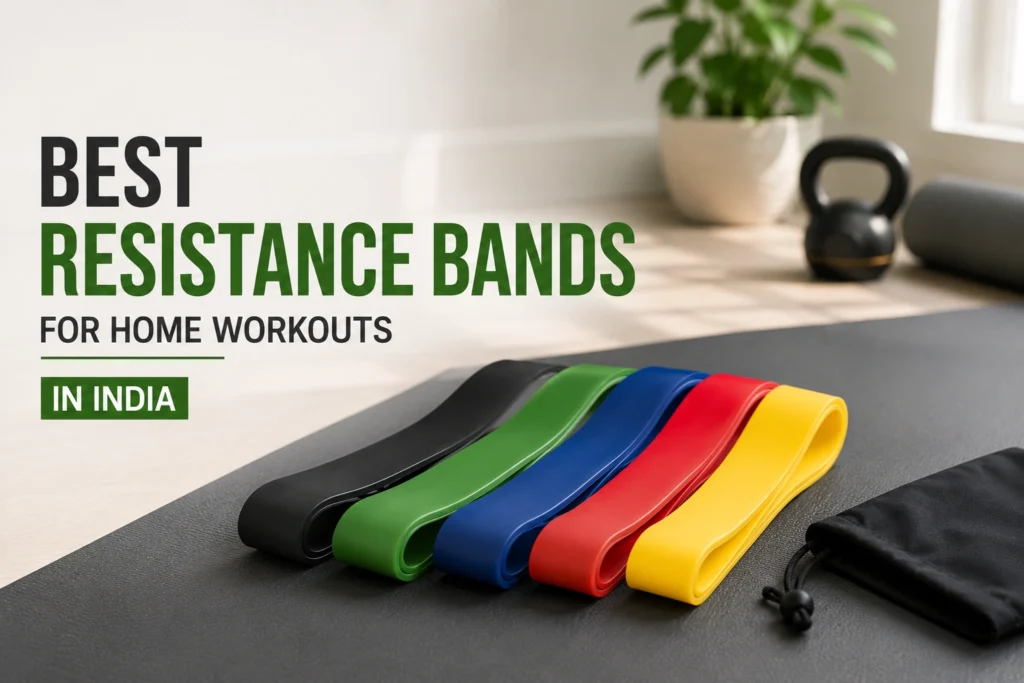
- Resistance bands that cover warm-ups, mobility, and full-body strength work
- Convertible dumbbells that replace an entire rack of fixed weights
- A yoga and exercise mat that serves as the foundation for every floor session
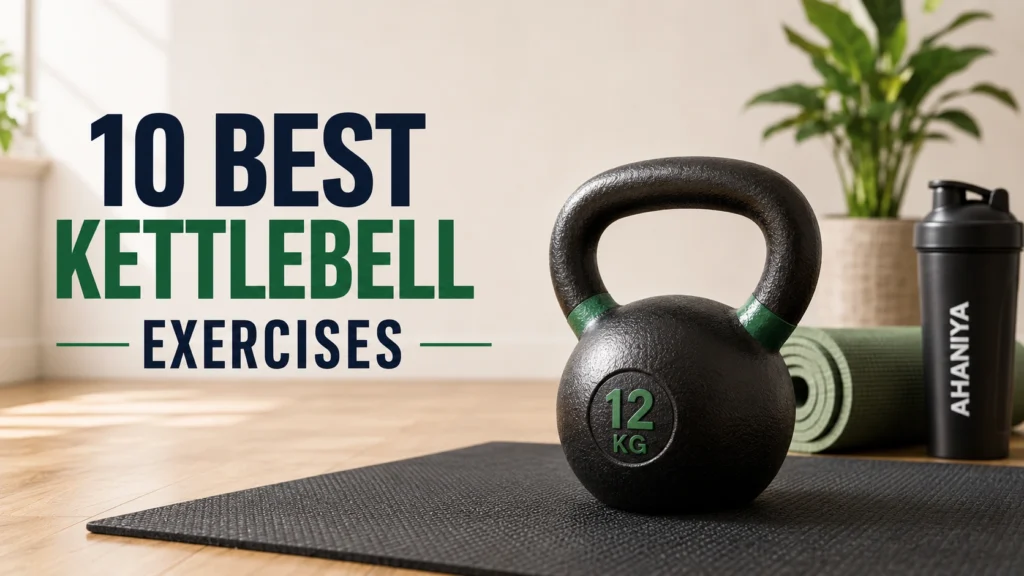
- A cast iron kettlebell that handles fat loss, strength, and conditioning in one tool
- A gym shaker bottle so your post-workout nutrition is dialled in from day one
That's five pieces of equipment covering every major fitness goal. The key word is versatile. Every item on this list works for multiple muscle groups and multiple training styles, which means nothing sits unused.
The one thing Rs 10,000 won't get you is a motorised treadmill or a bench press station. Those come later. This setup gets you moving, building strength, and seeing results from week one, which is what actually matters when you're starting out.
The Complete Rs 10,000 Home Gym Equipment List
1. Resistance Bands (Rs 400 to Rs 700)
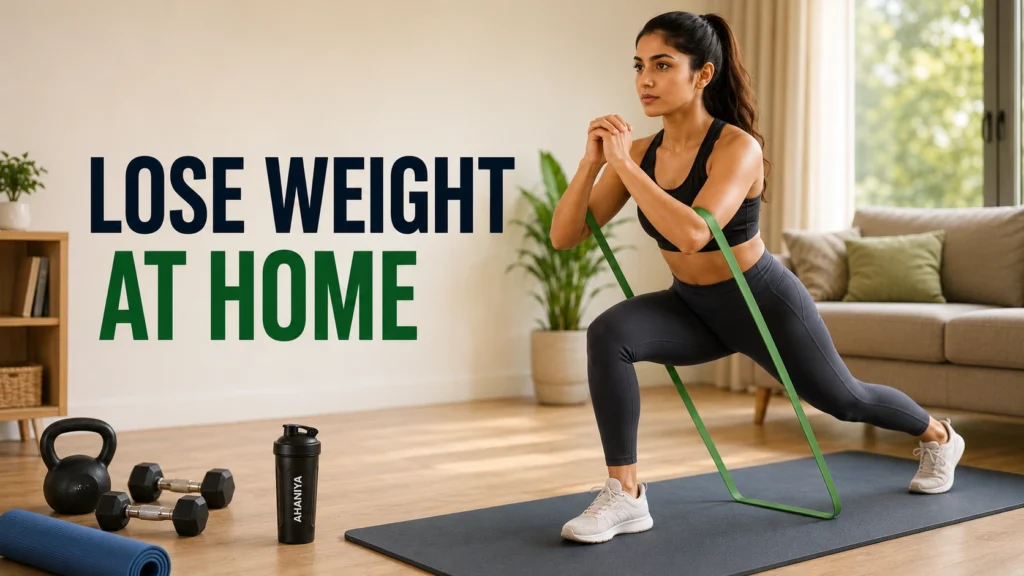
Resistance bands are the most underrated piece of fitness equipment sold in India. They weigh almost nothing, take up no floor space, and cover more exercises than most people realise. Pull-aparts for shoulder health, banded squats for leg activation, rows for your back, bicep curls, tricep extensions, lateral walks for glutes. A single set of resistance bands gives you a legitimate full-body workout without a single dumbbell.
They're also the smartest first purchase for anyone starting out. They teach your joints how to handle resistance before you load them with heavier weights. And at Rs 400 to Rs 700, they cost less than two weeks of gym membership fees.
Best for: Warm-ups, mobility work, beginner full-body sessions, and adding extra resistance to dumbbell exercises.
One limitation: Bands don't replace heavy loading for exercises like deadlifts or squats once you've built a strength base. They're a starting point and a complement, not a permanent replacement for free weights.
2. Convertible Dumbbells (Rs 2,500 to Rs 4,000)
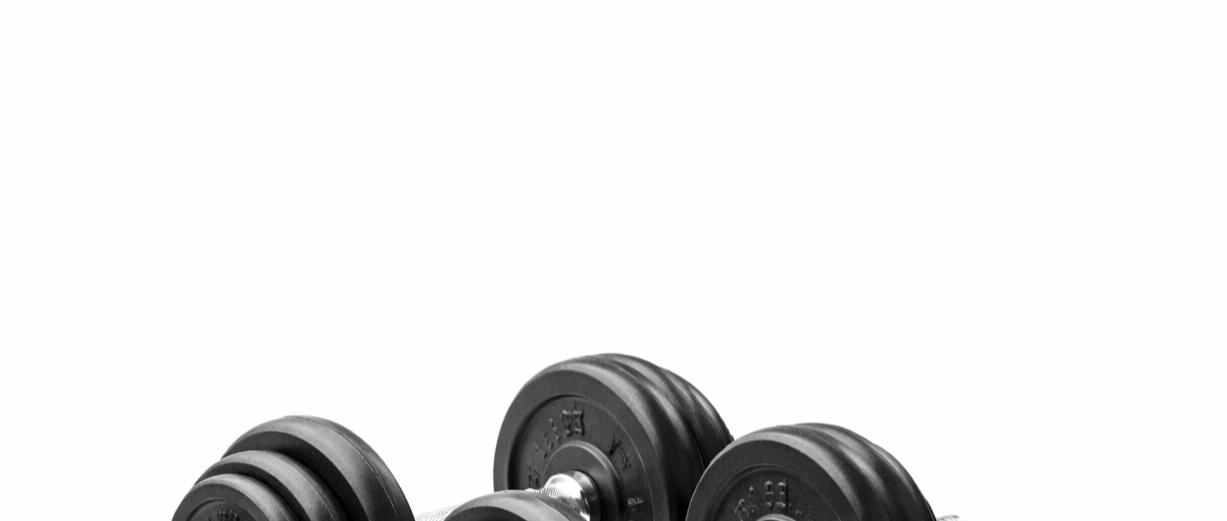
If you had to pick one piece of equipment for a home gym, this would be it. A pair of convertible dumbbells replaces an entire dumbbell rack. You get multiple weight settings in a single compact unit, which means you're not stacking plates across your living room floor.
With dumbbells you can train chest (press, fly), back (row, rear delt), shoulders (press, lateral raise), biceps, triceps, legs (goblet squat, lunge, Romanian deadlift), and core. That's every major muscle group with one piece of equipment. No machine comes close to that level of versatility per rupee spent.
Best for: Strength training across all muscle groups, progressive overload as you get stronger.
One limitation: Adjusting weight settings takes a few seconds between sets, which slows down circuit training slightly. Keep a band nearby for those quick-transition exercises.
3. Yoga and Exercise Mat (Rs 500 to Rs 1,000)
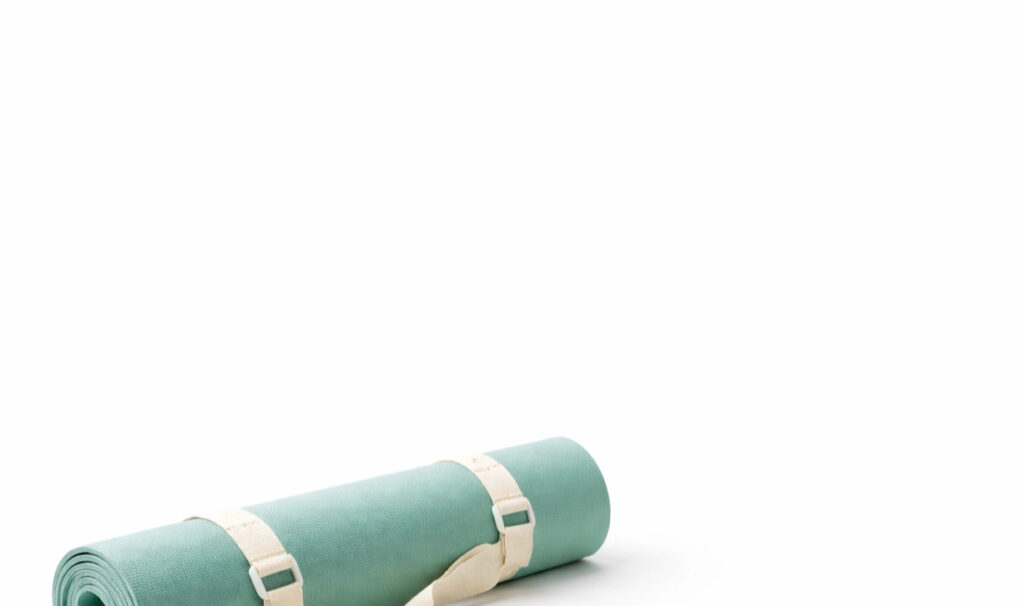
Every floor exercise you do, whether that's core work, stretching, yoga, or band exercises, needs a mat underneath you. On Indian marble and tile floors, a good mat does three things: it cushions your joints, it grips the floor so you don't slide mid-exercise, and it gives you a defined workout space. A blue yoga mat in the 6mm range hits the right balance between cushioning and stability. Thick enough to protect your knees and wrists, firm enough to feel grounded during balance work. This is the foundation every other piece of equipment sits around.
For a deeper look at choosing the right mat for your floor type and practice style, our best yoga mat buying guide for Indian homes covers everything in detail.
Best for: All floor exercises, core sessions, yoga, stretching, and band workouts.
One limitation: Not a replacement for gym flooring if you plan to drop heavy weights. For this setup, it works perfectly.
4. Cast Iron Kettlebell (Rs 1,500 to Rs 2,500)
A kettlebell is where strength training meets cardio. The swinging, ballistic movements of kettlebell training burn significantly more calories than standard dumbbell work while simultaneously building functional strength in your hips, glutes, shoulders, and core. Add goblet squats, Turkish get-ups, cleans, and presses, and a single cast iron kettlebell gives you enough variety to fill months of training.
Choose a weight that challenges you but allows clean technique. For most men starting out, 12kg to 16kg. For most women, 8kg to 12kg.
Best for: Fat loss, conditioning, posterior chain strength, cardio without a machine.
One limitation: Kettlebell technique takes a short learning curve. Watch a few form videos before your first swing session to protect your lower back.
5. Gym Shaker Bottle (Rs 300 to Rs 500)
What you do in the 30 minutes after a workout determines a large part of your results. Protein synthesis peaks in that window, and having a gym shaker bottle with extra compartments means your post-workout shake is ready to go the moment you finish your last set. A shaker with separate compartments lets you pre-load your protein powder and carry supplements without mixing bags and spoons at the kitchen counter. A small habit that compounds into better recovery and faster progress.
Best for: Post-workout nutrition, daily protein targets, staying consistent with supplement intake.
Budget Breakdown at a Glance
Here's what a smart Rs 10,000 build looks like in practice:
|
Equipment
|
Estimated Cost
|
|
Resistance Bands
|
Rs 600
|
|
Convertible Dumbbells
|
Rs 3,200
|
|
Yoga and Exercise Mat
|
Rs 700
|
|
Cast Iron Kettlebell
|
Rs 2,000
|
|
Gym Shaker Bottle
|
Rs 400
|
|
Total
|
Rs 6,900
|
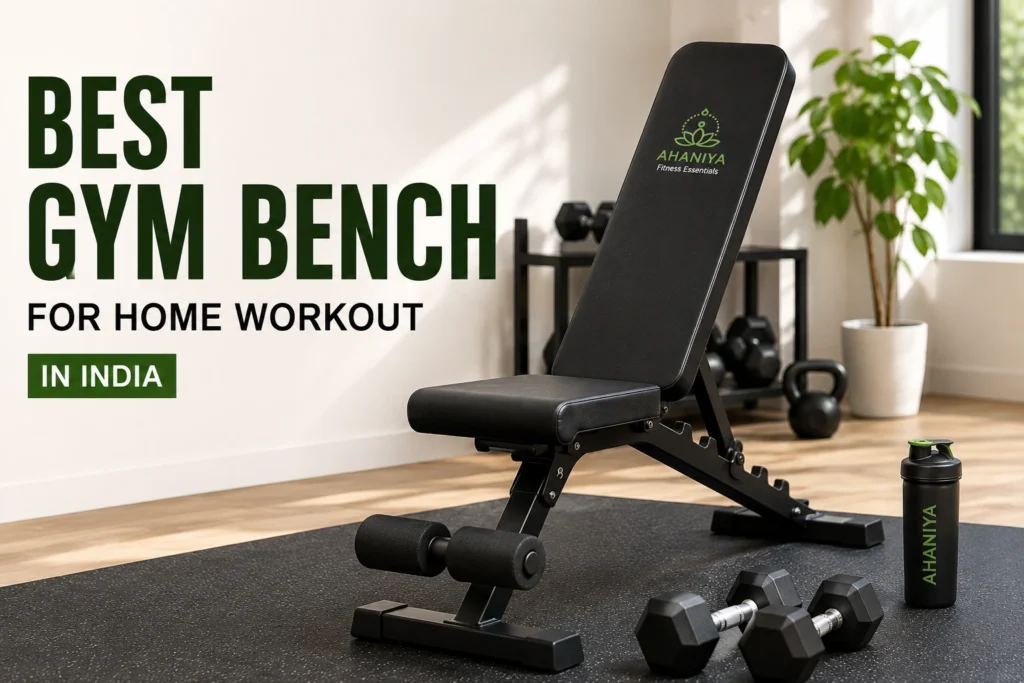
That leaves Rs 3,100 from your Rs 10,000 budget. Use it for a skipping rope (Rs 300 to Rs 500) for cardio warm-ups, or save it toward an ab wheel for core work. Browse the full home gym equipment collection to see current pricing on each item.
4. Sample Weekly Workout Plan for Your Budget Home Gym
This is a 5-day plan built entirely around the equipment list above. No gym required. No machines needed.
|
Day
|
Focus
|
Key Exercises
|
|
Monday
|
Dumbbell Strength (Chest and Shoulders)
|
Chest press, lateral raise, shoulder press, push-ups
|
|
Tuesday
|
Resistance Band Full Body
|
Banded squats, pull-aparts, rows, bicep curls, lateral walks
|
|
Wednesday
|
Kettlebell HIIT (20 min)
|
Swings, goblet squats, kettlebell deadlifts
|
|
Thursday
|
Yoga and Flexibility on Mat
|
Full-body stretching, hip flexors, hamstrings, shoulder mobility
|
|
Friday
|
Dumbbell and Band Combo
|
Romanian deadlift, glute bridge, bent-over row, tricep kickbacks, core circuit
|
|
Saturday
|
Active Rest
|
20-minute walk or light stretching
|
|
Sunday
|
Full Rest
|
Recovery
|
This plan gives you three strength sessions, one conditioning session, one flexibility session, and appropriate recovery time. For a more detailed beginner programme, the resistance band workout for beginners guide is a great starting point. If you're new to technique and form, our how to use gym equipment for beginners guide covers every movement in detail.
Space Requirements: How Much Room Do You Actually Need?
This is the question that stops most Indians from building a home gym. Small apartments, shared rooms, furniture that can't move. It feels impossible.
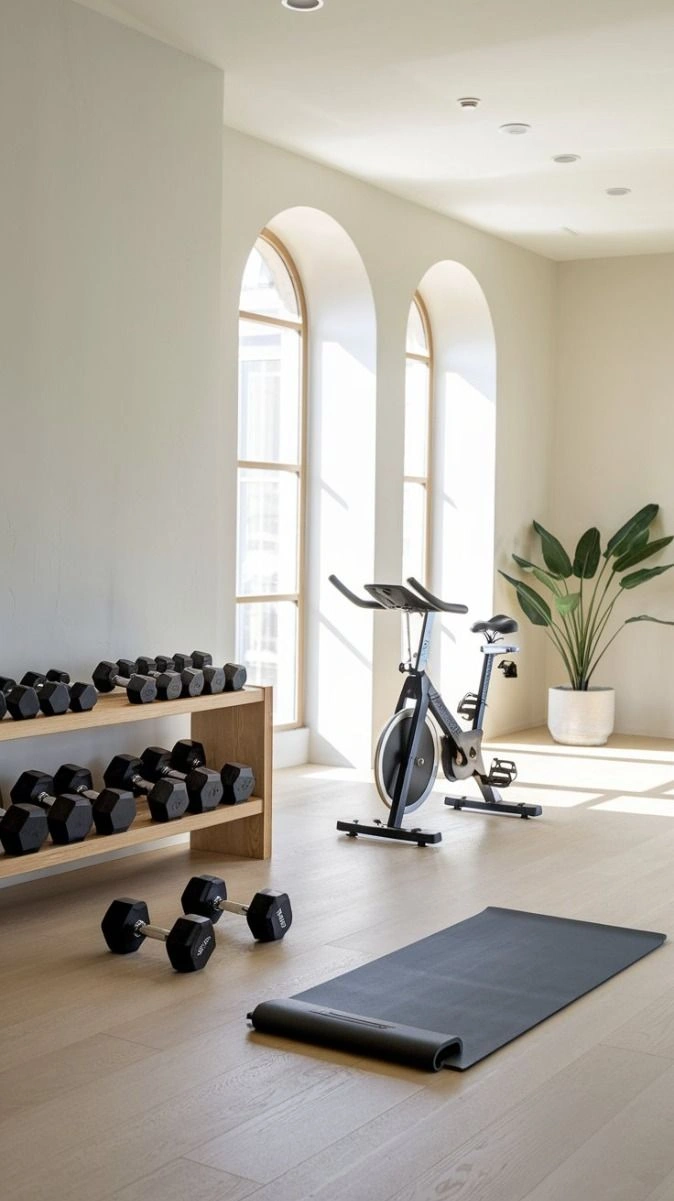
Here's the reality: the entire equipment list above fits in a 6x6 feet space. That's a standard bedroom corner. A balcony edge. A cleared section of a study room. You don't need a spare room. You don't need to move furniture permanently. You need a corner that's yours for 45 minutes a day.
Here's how to set it up:
- Roll out your mat in the centre of the cleared space. This becomes your workout zone.
- Store dumbbells and kettlebells in the corner against a wall when not in use. They take up less than one square foot combined.
- Hang resistance bands on a wall hook or fold them into a small bag.
- Keep your shaker bottle on a shelf nearby.
The entire setup assembles in two minutes and packs away just as fast. If you're working with a compact flat, our home gym setup guide covers layout strategies for every room size and shape.
What to Add Once You've Hit Rs 10,000
Once you've built consistency with the core five pieces, here's the natural upgrade path:
First upgrade: Skipping Rope (Rs 300 to Rs 500): The cheapest cardio tool available. A 10-minute skipping session burns more calories than a 30-minute walk. It fits in your pocket.
Second upgrade: Ab Wheel (Rs 500 to Rs 800): One of the most effective core tools per rupee. Rollouts build genuine functional core strength that crunches never will.
Third upgrade: Pull-Up Bar (Rs 800 to Rs 1,500): Mounts in a doorframe, no screws required. Adds back, bicep, and bodyweight pressing capacity to your setup.
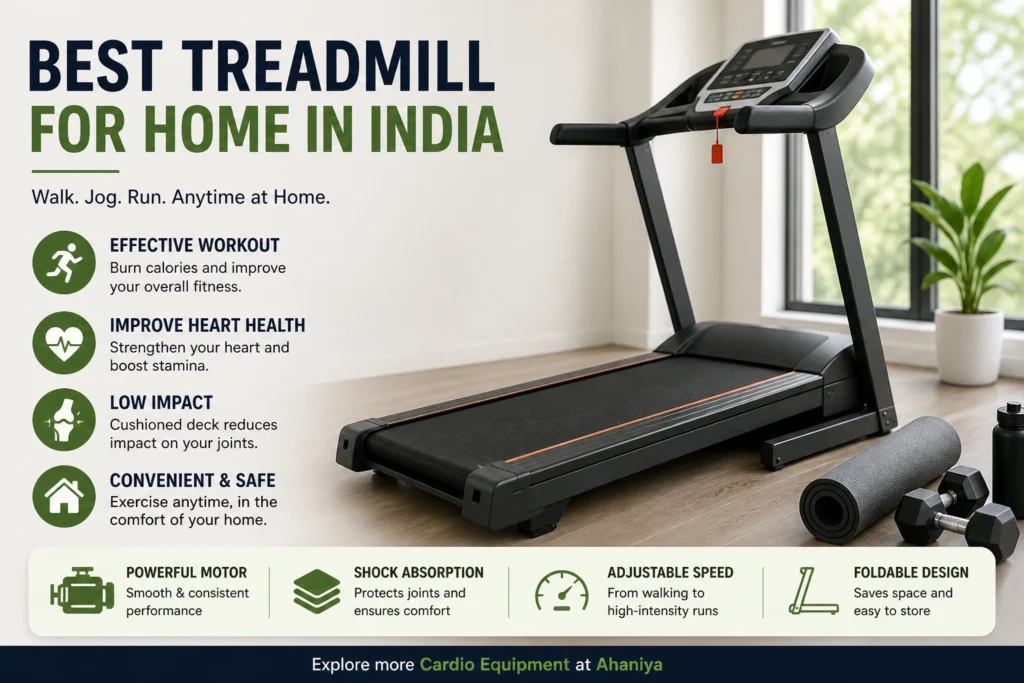
Major upgrade: Home Treadmill When you're ready to invest in motorised cardio, a treadmill for home gym changes your daily options significantly. It removes the weather excuse, the safety concern of late-night running, and the time cost of going to a park. Our detailed best treadmill for home use in India guide covers exactly what to look for at every price point before you make that decision.
Conclusion
A home gym doesn't require a large budget, a spare room, or a complicated plan. It requires the right five pieces of equipment, a 6x6 feet corner, and the decision to show up consistently. The setup in this guide costs under Rs 7,000 and covers every major fitness goal: strength, fat loss, conditioning, flexibility, and recovery nutrition.
If nutrition is also part of your routine, a diet plan for your fitness goals can help you organise your meals around your training and daily needs. That leaves room in your Rs 10,000 budget to add a skipping rope or save toward a treadmill when you're ready.
Fitness doesn't require a gym building. It requires commitment and the right tools for the job. Browse Ahaniya's strength training equipment and fitness accessories to build your complete setup at the right pace and the right price.
Frequently Asked Questions
1. Can I build muscle with just resistance bands and dumbbells?
Yes, absolutely. Muscle growth requires progressive overload, meaning you must consistently challenge your muscles with increasing resistance over time. Resistance bands and dumbbells both deliver that stimulus when used correctly. The critical factor is progressive loading and consistent training, not the equipment brand or price. Our guide on best home gym equipment for beginners breaks this down clearly.
2. Is a home gym under Rs 10,000 worth it compared to a gym membership?
Run the numbers. A gym membership at Rs 1,500 per month costs Rs 18,000 in one year. The home gym setup in this guide costs Rs 6,900 to Rs 8,000 total and lasts multiple years with proper care. By month six, you've already broken even. By year two, you've saved over Rs 25,000. Beyond cost, you gain time saved on commute, the ability to train at any hour, complete privacy, and zero waiting for equipment.
3. What is the minimum space needed for a home gym in India?
A 6x6 feet space is sufficient for the equipment list in this guide. That's 36 square feet, smaller than most Indian bathrooms. If you have 8x8 feet or more, you gain comfortable room to move between exercises without rearranging anything.
4. What is the 3-3-3 rule in gym training?
The 3-3-3 rule is a simple strength training framework: 3 exercises, 3 sets each, 3 days per week. It's commonly recommended for beginners because it keeps volume manageable, reduces the risk of overtraining, and builds consistency before complexity. With the dumbbell and kettlebell setup in this guide, you can run a 3-3-3 programme from day one.
5. What is the 70/30 rule in the gym?
The 70/30 rule refers to the principle that 70 percent of your physique results come from nutrition and 30 percent from training. Your equipment matters less than what you eat. A Rs 6,900 setup paired with good nutrition will outperform a Rs 50,000 setup with poor eating habits every single time. This is why the gym shaker bottle is on the equipment list. Post-workout nutrition is part of the system.
6. What is the 3/2/1 rule in the gym?
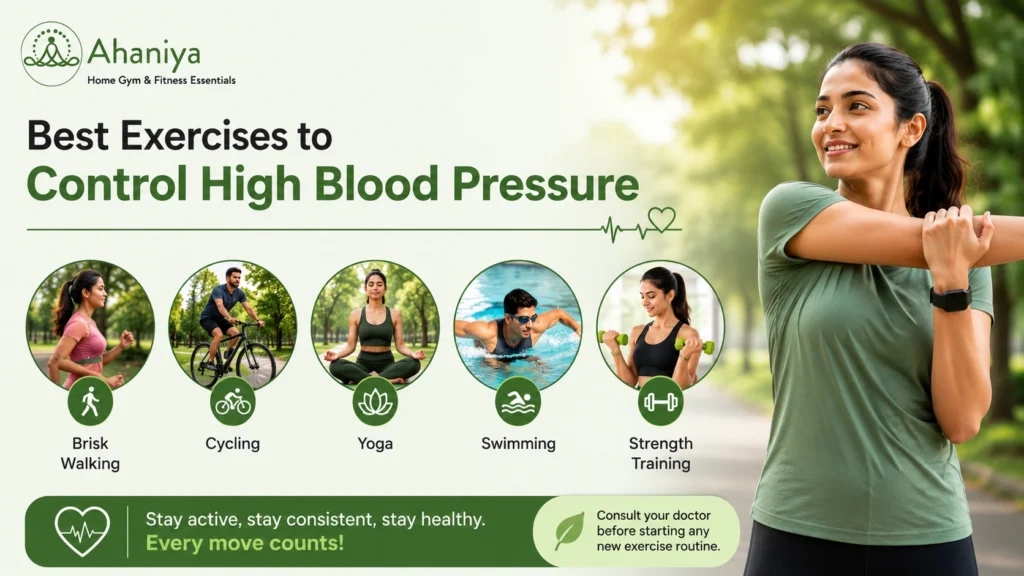
The 3/2/1 rule is a weekly training structure: 3 strength sessions, 2 cardio sessions, and 1 flexibility or recovery session per week. The workout plan in Section 4 of this guide is built around exactly this framework. Monday, Friday, and a dumbbell session cover strength. Wednesday's kettlebell HIIT covers conditioning. Thursday's yoga session covers recovery.
7. Should I buy a treadmill or resistance bands first?
Start with resistance bands. They cost under Rs 700, cover full-body training, are suitable for all fitness levels, and take up zero floor space. A treadmill costs 10 to 20 times more, requires dedicated space, needs maintenance, and covers only one fitness quality: cardio. Add a treadmill later when your budget and space allow.
8. Can I do cardio without a treadmill at home?
Yes, and effectively. Kettlebell swings, skipping rope, high-intensity dumbbell circuits, and resistance band circuits all elevate your heart rate significantly. A 20-minute kettlebell HIIT session burns comparable calories to a 30-minute moderate treadmill run. Learn correct form before increasing speed or load. Our guide on how to avoid injuries with home gym equipment covers safe techniques for every movement.
9. How to start a home gym on a budget?
Start with three things in this order: a yoga mat (floor safety), resistance bands (full-body training from day one), and a set of convertible dumbbells (strength foundation). These three pieces cost under Rs 5,000 combined and give you everything you need to train consistently for months. Add a kettlebell when you're ready to introduce conditioning work. Build gradually rather than buying everything at once, and prioritise equipment that covers multiple exercises over single-purpose machines.