High blood pressure, also called hypertension, is one of the most common health conditions in India and across the world right now, and the troubling part is that most people who have it do not feel any symptoms at all. It quietly damages the heart, arteries, and kidneys over time, which is why doctors call it a silent condition. Medications help, but research from institutions like Harvard Medical School, Mayo Clinic, and the American Heart Association consistently shows that regular physical activity is one of the most powerful tools available for bringing blood pressure down naturally.
The right type of exercise done consistently can reduce systolic blood pressure by 5 to 8 mmHg, which is comparable to what some medications achieve. In this blog, you will know about the best exercises to control high blood pressure naturally, how each one works, how much you need to do each week, what to avoid, and practical tips to get started safely at home or outdoors in 2026.
Why Exercise Helps Lower Blood Pressure
When you exercise regularly, your heart gradually becomes stronger and more efficient at pumping blood. A stronger heart does not have to work as hard to push blood through the arteries, and that reduced effort translates directly into lower blood pressure readings over time. Exercise also helps reduce arterial stiffness, which is one of the main reasons blood pressure rises as people get older. Beyond the mechanical benefit, physical activity lowers the levels of stress hormones like cortisol and adrenaline in the body, both of which contribute to elevated blood pressure when they remain chronically high.
Another important mechanism involves nitric oxide. When blood flow increases during exercise, the lining of your arteries releases more nitric oxide, a compound that causes blood vessels to relax and widen. This vasodilation effect continues even after you stop exercising, which is why blood pressure can remain lower for up to 24 hours after a single workout session. Over weeks and months of consistent exercise, these short-term effects build into long-term structural improvements in how your cardiovascular system functions.
The American Heart Association recommends at least 150 minutes of moderate-intensity aerobic activity per week for adults with hypertension. This works out to about 30 minutes a day, five days a week, and does not have to be done all at once. Research actually shows that breaking exercise into three 10-minute sessions throughout the day can be just as effective for blood pressure management as one continuous 30-minute session.
Best Exercises to Control High Blood Pressure
1. Brisk Walking
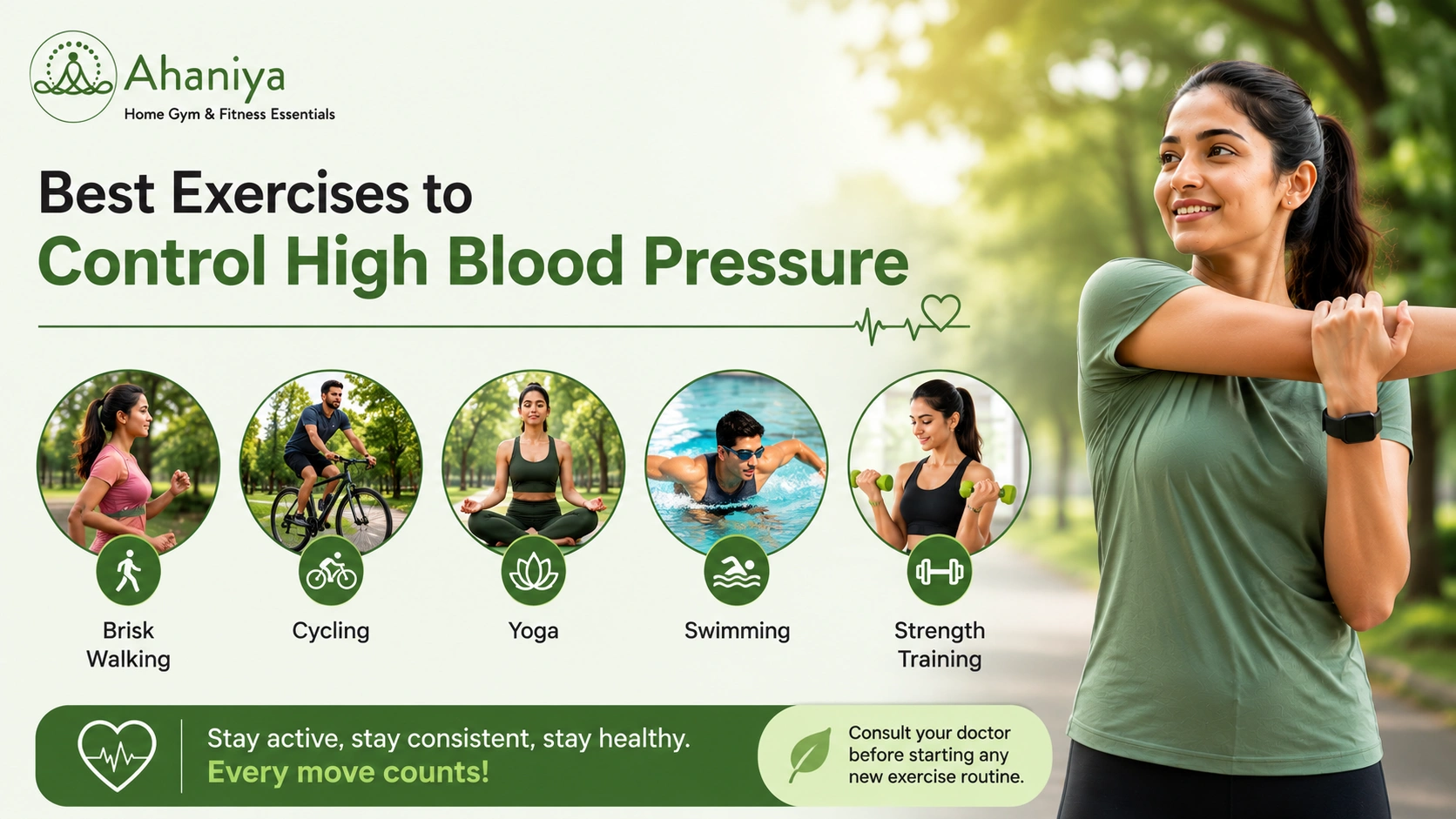
Brisk walking is the most accessible exercise for lowering blood pressure and one of the most well-researched. Studies show that walking at a moderate pace, done for 30 minutes a day five days a week, can reduce systolic blood pressure by 4 to 9 mmHg over several weeks. One study found that three 10-minute walks spread through the day prevented blood pressure spikes more effectively than a single 30-minute session. Walking outdoors in the morning or evening works well in Indian weather conditions, and wearing proper footwear reduces injury risk significantly.
The key measurement for intensity is the conversational pace test: if you can speak short sentences comfortably but cannot hold a long conversation without pausing for breath, you are working at the right level. For people who have been inactive for a long time, starting with 10 to 15 minutes and gradually increasing to 30 minutes over three to four weeks is the right approach. If you are building a home cardio setup to support your walking habit regardless of weather, it helps to look at
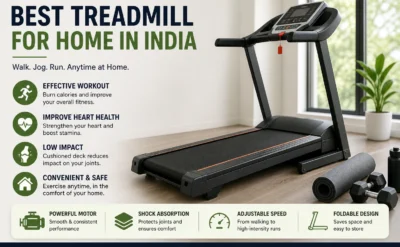
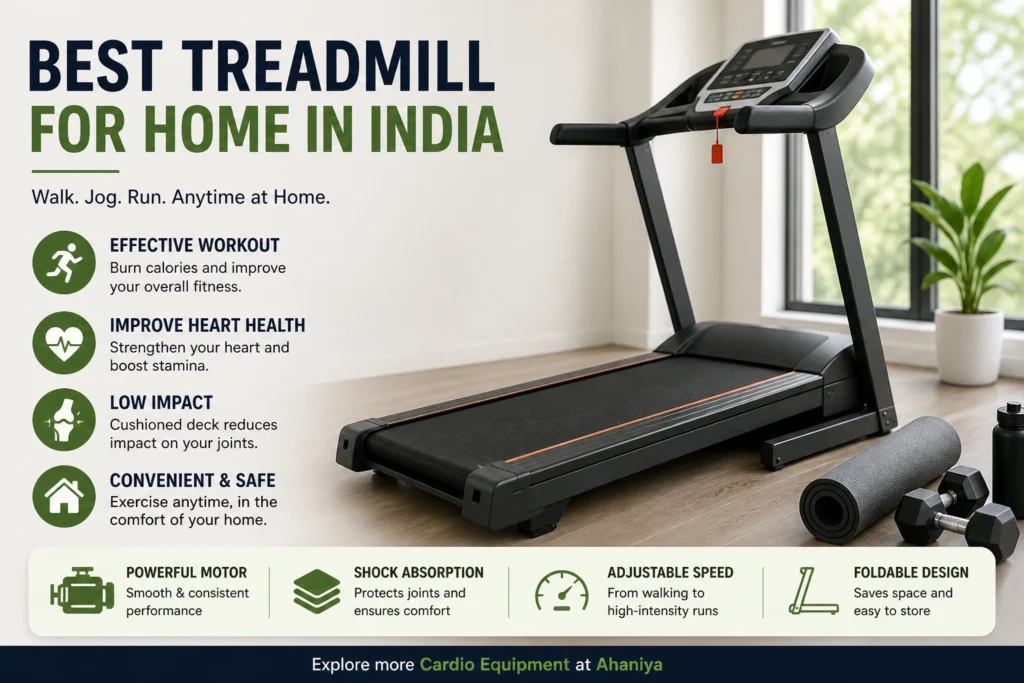
If you are building a home cardio setup to support your walking habit regardless of weather, a treadmill for home use is a practical investment that allows consistent daily walking even during monsoon or extreme heat months.
2. Isometric Exercises — Wall Sits and Handgrip Training
This is perhaps the most surprising finding in recent cardiovascular research. A major review published in the British Journal of Sports Medicine analyzed data from hundreds of studies and found that isometric exercises, which are exercises where you hold a position and contract muscles without movement, reduced blood pressure more effectively than aerobic exercise alone. Wall sits specifically lowered systolic blood pressure by an average of 10 mmHg and diastolic by 5 mmHg in the studies examined.
A wall sit is performed by standing with your back flat against a wall, feet hip-width apart and one to two steps out from the wall, then bending your knees until your thighs are roughly parallel to the floor, and holding that position for as long as you can maintain proper form. Beginners can start with 20 to 30 seconds and build up to two minutes over several weeks. The recommended protocol from the studies is four repetitions with short rest breaks between each hold, done three times per week.
Isometric handgrip training is another well-studied option. Squeezing a soft ball or a handgrip device for five seconds, then releasing, repeated for one minute per hand and done several times per session, has shown meaningful reductions in blood pressure across multiple clinical trials. These exercises require no equipment beyond a soft ball and can be done while watching television or sitting at a desk.
3. Swimming
Swimming is classified as vigorous aerobic exercise, which means you need only 75 minutes per week rather than 150 to get the equivalent cardiovascular benefit. One study found that adults over 60 who gradually increased their swimming sessions to 45 minutes of continuous swimming over 12 weeks reduced their systolic blood pressure by an average of 9 mmHg. Swimming is particularly beneficial for people with joint problems, arthritis, or significant overweight because the water supports body weight and eliminates impact stress on the knees and hips.
The breathing pattern required in swimming also naturally promotes slow, deep breathing, which activates the parasympathetic nervous system and further supports blood pressure reduction. Two or three sessions per week is a practical and effective approach for managing hypertension.
4. Cycling and Stationary Biking
Cycling, whether outdoors or on a stationary bike at home, is an excellent aerobic exercise for blood pressure control. It is low-impact, puts minimal stress on the joints, and can be done at a self-regulated intensity appropriate for people at different fitness levels. Stationary biking at home is particularly practical because it removes concerns about traffic, road safety, and weather conditions. Two cycling sessions per week combined with walking on other days helps reach the 150-minute weekly target comfortably.
5. Yoga and Deep Breathing Exercises
Yoga combines physical movement with breathing control and mental focus, addressing both the physical and psychological contributors to high blood pressure. Chronic stress is a significant driver of elevated blood pressure because stress hormones constrict blood vessels. Yoga directly counteracts this by activating the parasympathetic nervous system, reducing cortisol levels, and promoting a measurable relaxation response in the body.
Deep breathing exercises within yoga practice, particularly slow diaphragmatic breathing done for 15 minutes daily, can reduce systolic blood pressure by up to 10 mmHg according to Harvard Health research. Consistent practice three to five times per week shows the best results for blood pressure management. Gentle poses like a child's pose, legs up the wall, and seated forward bends are particularly helpful for activating relaxation pathways in the body. A non-slip
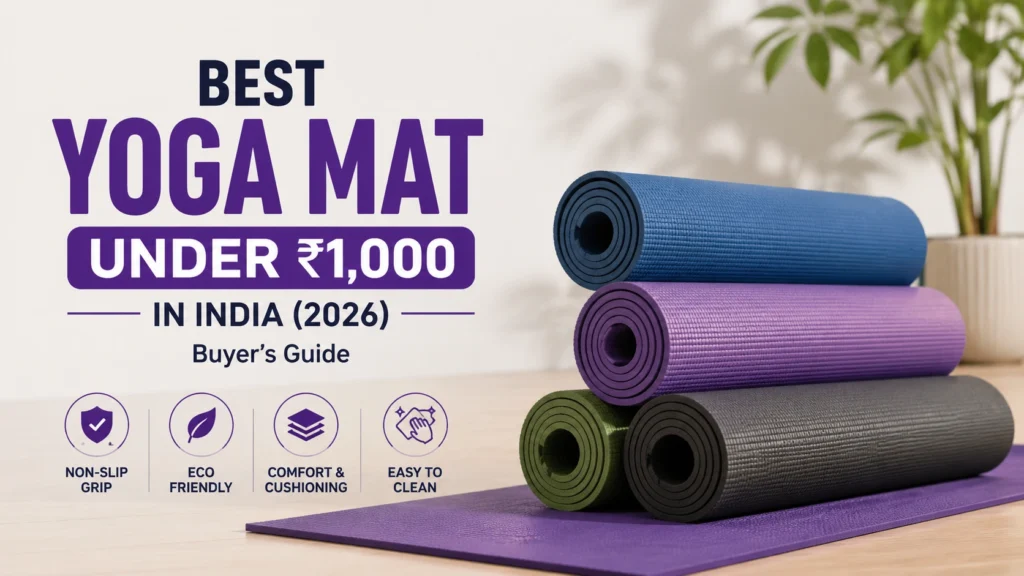
Yoga is most comfortable and safe when practiced on a proper surface. A non-slip yoga mat provides the grip and cushioning needed for floor poses, breathing exercises, and relaxation work, making daily home practice much more practical.
6. Strength Training with Moderate Weights
Strength training, when done at moderate intensity with higher repetitions, supports long-term blood pressure management by improving overall cardiovascular fitness, reducing body weight, and increasing insulin sensitivity. The American Heart Association recommends including strength training at least two days per week alongside aerobic exercise for people managing hypertension.
The important distinction for people with high blood pressure is that strength training should involve moderate weights with 12 to 15 repetitions per set, never maximum or near-maximum lifts. Exercises like dumbbell curls, light dumbbell presses, and bodyweight movements like squats and lunges are appropriate starting points.
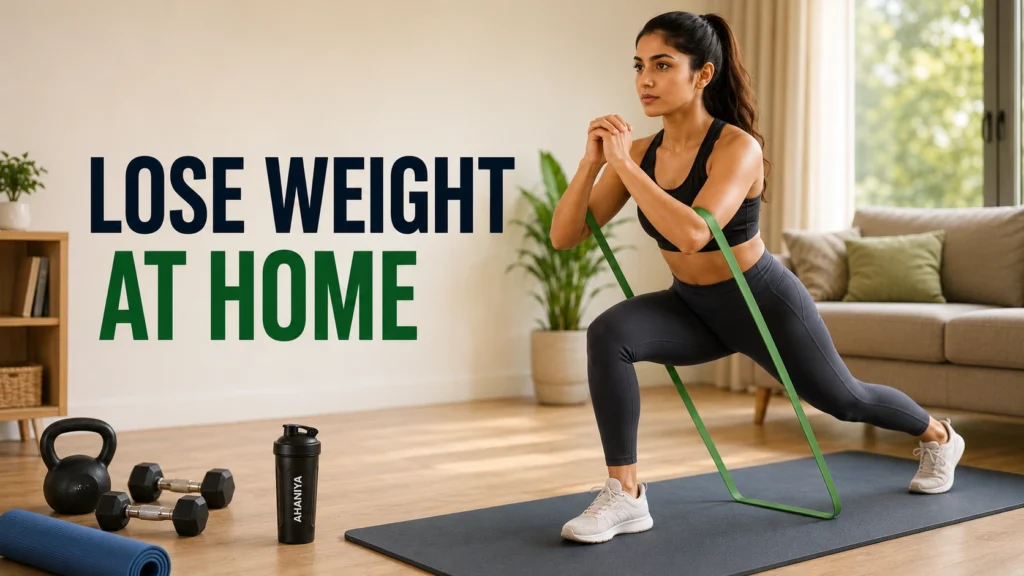
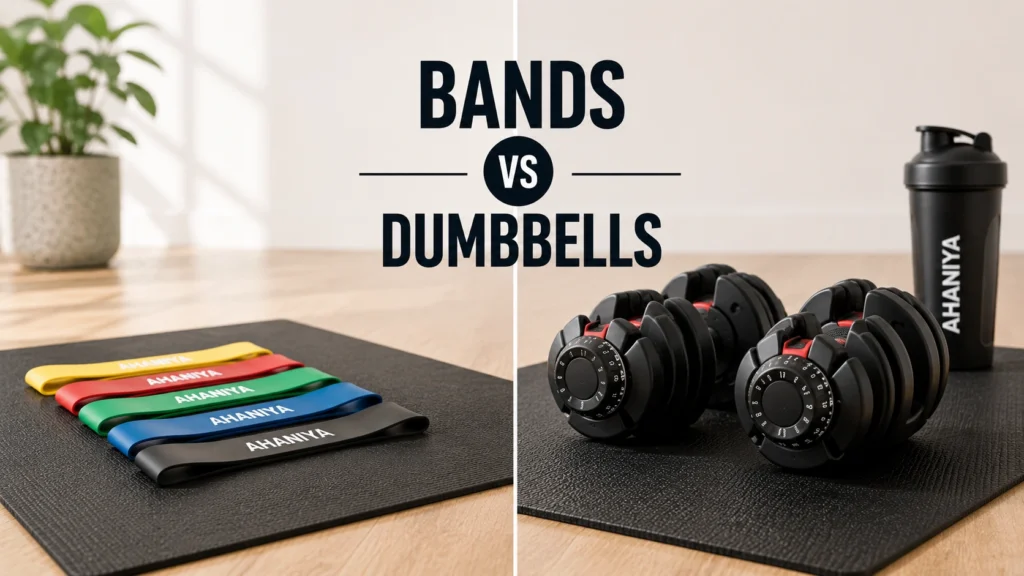
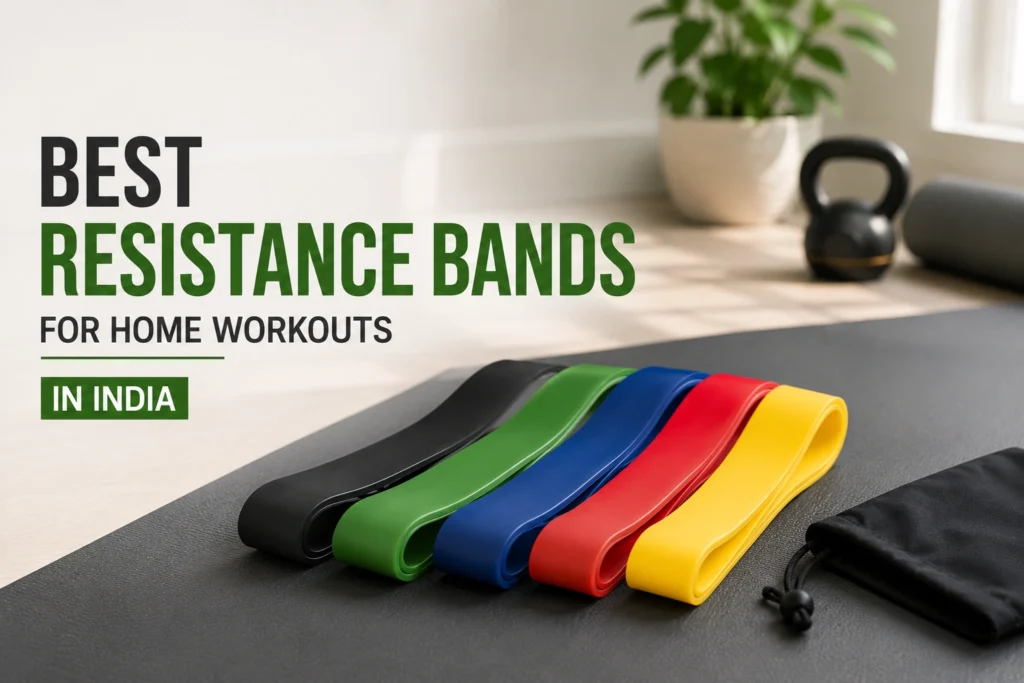
Using resistance bands for home strength training is a particularly safe and effective approach for people managing blood pressure. Bands provide progressive resistance without the sudden loading of heavy weights, reducing the risk of dangerous blood pressure spikes during the exercise. They are also compact, affordable, and suitable for a complete upper and lower body workout at home.
7. Tai Chi and Gentle Movement Practices
Tai Chi is a slow, flowing movement practice that combines gentle physical exercise with mindful breathing and mental focus. Multiple studies have demonstrated that regular Tai Chi practice reduces both systolic and diastolic blood pressure in people with hypertension, with effects comparable to moderate aerobic exercise in some populations. It is particularly well-suited for older adults or those with limited mobility because the movements are low impact and can be modified to individual physical capacity. Even 20 to 30 minutes of practice three times per week can produce meaningful cardiovascular benefits over several months of consistent participation.
8. Hiking and Stair Climbing
Hiking on inclined terrain engages larger muscle groups than flat walking, increases heart rate more effectively, and can help achieve a greater cardiovascular training effect in less time. Research indicates that physical activity on inclined surfaces can lower blood pressure by up to 10 mmHg when done consistently. For those without access to hills or trails, stair climbing at home or in a building provides a similar cardiovascular challenge and requires no equipment or gym membership. Even replacing elevator use with stair climbing throughout the day contributes meaningfully to the total physical activity that supports blood pressure management.
Quick Reference: Best Exercises for High Blood Pressure
|
Exercise
|
Type
|
Frequency
|
BP Benefit
|
Best For
|
|
Brisk Walking
|
Aerobic
|
30 min, 5 days/week
|
4 to 9 mmHg reduction
|
All fitness levels
|
|
Wall Sits
|
Isometric
|
4 holds, 3 days/week
|
Up to 10 mmHg systolic
|
Home, no equipment
|
|
Swimming
|
Aerobic
|
75 min/week
|
Up to 9 mmHg systolic
|
Joint issues, overweight
|
|
Cycling
|
Aerobic
|
2 to 3 sessions/week
|
5 to 8 mmHg reduction
|
Low impact cardio
|
|
Yoga + Breathing
|
Relaxation
|
3 to 5 days/week
|
Up to 10 mmHg systolic
|
Stress-related hypertension
|
|
Strength Training
|
Resistance
|
2 days/week
|
Long-term control
|
Intermediate, with guidance
|
|
Tai Chi
|
Gentle movement
|
3 days/week
|
Similar to aerobic
|
Older adults
|
|
Hiking or Stairs
|
Aerobic
|
Daily habit
|
Up to 10 mmHg
|
Outdoor enthusiasts
|
How Much Exercise Do You Actually Need Each Week
The standard recommendation from the American Heart Association and Mayo Clinic for people with high blood pressure is 150 minutes of moderate-intensity aerobic activity per week, or 75 minutes of vigorous activity, or a combination of both spread across most days of the week. Alongside aerobic activity, two days of moderate strength training per week rounds out a complete exercise program for cardiovascular health.
Breaking the daily target into smaller sessions is a legitimate and effective strategy. Research consistently shows that three 10-minute walks throughout the day produce blood pressure benefits comparable to one 30-minute session. This is genuinely useful for people with busy schedules or those who find continuous exercise difficult at the start. A practical weekly structure for someone starting out might look like this:
|
Day
|
Activity
|
Duration
|
|
Monday
|
Brisk walking
|
30 minutes
|
|
Tuesday
|
Yoga and deep breathing
|
30 minutes
|
|
Wednesday
|
Walking or cycling
|
30 minutes
|
|
Thursday
|
Resistance bands or light strength training
|
30 minutes
|
|
Friday
|
Brisk walking or swimming
|
30 minutes
|
|
Saturday
|
Wall sits and isometric exercises
|
20 minutes
|
|
Sunday
|
Rest or gentle stretching
|
15 to 20 minutes
|
Best Time to Exercise to Lower Blood Pressure
Research suggests that morning exercise, particularly between 6 am and 8 am, may provide the most benefit for blood pressure reduction because blood pressure naturally rises after waking and morning activity helps blunt this spike. However, the most important factor is not the time of day but consistency. An exercise routine you can maintain in the evening is far more valuable than a morning routine you abandon after two weeks.
Avoid vigorous exercise within two hours of bedtime, as this can temporarily elevate blood pressure and interfere with sleep quality, and poor sleep itself contributes to higher blood pressure. Light walking or gentle yoga in the evening is generally fine and can actually support better sleep quality. For people taking blood pressure medication, it is worth discussing exercise timing with a doctor, as some medications can cause blood pressure to drop significantly during exercise.
Exercises to Avoid or Approach with Caution
Not all physical activities are appropriate for people with uncontrolled or significantly elevated blood pressure. The following activities can cause sudden, sharp increases in blood pressure that put excessive strain on the heart and blood vessels.
- Heavy powerlifting: Maximum effort lifts with very low repetitions cause blood pressure to spike dramatically. People with hypertension should stay well within moderate weight ranges with higher repetitions.
- Sprinting at maximum effort: Short bursts at 90 to 100 percent of maximum effort can cause dangerous pressure spikes. Moderate-intensity interval training is acceptable once fitness improves under medical guidance.
- Competitive racquet sports like squash: These involve unpredictable bursts of maximum effort and are better approached after blood pressure is well controlled.
- Exercises involving breath-holding: The Valsalva maneuver, which happens when you hold your breath and bear down during heavy lifting, causes extreme temporary spikes in blood pressure and should always be avoided. Always breathe continuously during any exercise.
Practical Tips to Exercise Safely with High Blood Pressure
1. Always Warm Up and Cool Down
Spend 5 to 10 minutes before exercise doing gentle movements that gradually raise your heart rate. After exercise, spend another 5 to 10 minutes gradually slowing down rather than stopping abruptly. Stopping exercise suddenly can cause blood pressure to drop sharply. Slow walking, gentle stretching, and calm breathing during cooldown help your cardiovascular system return to its resting state safely.
2. Use the Conversational Pace Test
Moderate intensity means you can speak in short sentences while exercising but cannot comfortably hold a full conversation or sing. If you can sing easily, work harder. If you cannot speak at all without stopping to catch your breath, slow down. This simple self-check keeps you in the right intensity zone throughout your session.
3. Monitor Your Blood Pressure Regularly
Track your readings before and after exercise sessions, particularly when starting a new routine. This helps you and your doctor understand how your body is responding and whether medication adjustments may be needed as fitness improves. Many people who exercise consistently find their medication doses can be reduced over time, but this should always be done under medical supervision.
4. Stay Hydrated
Dehydration causes blood to thicken and makes the heart work harder to pump it, which raises blood pressure. Drink water before, during, and after exercise. In Indian climate conditions, especially during summer months, staying adequately hydrated during outdoor exercise is particularly important. Pale yellow urine is a reliable indicator of adequate hydration.
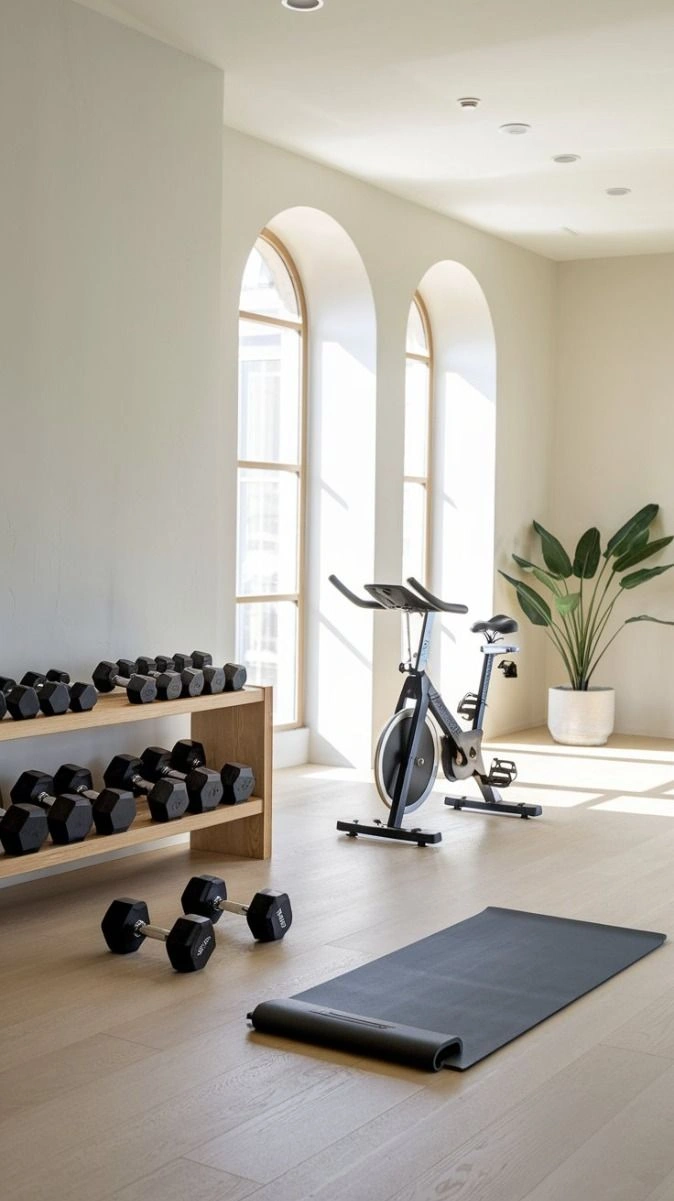
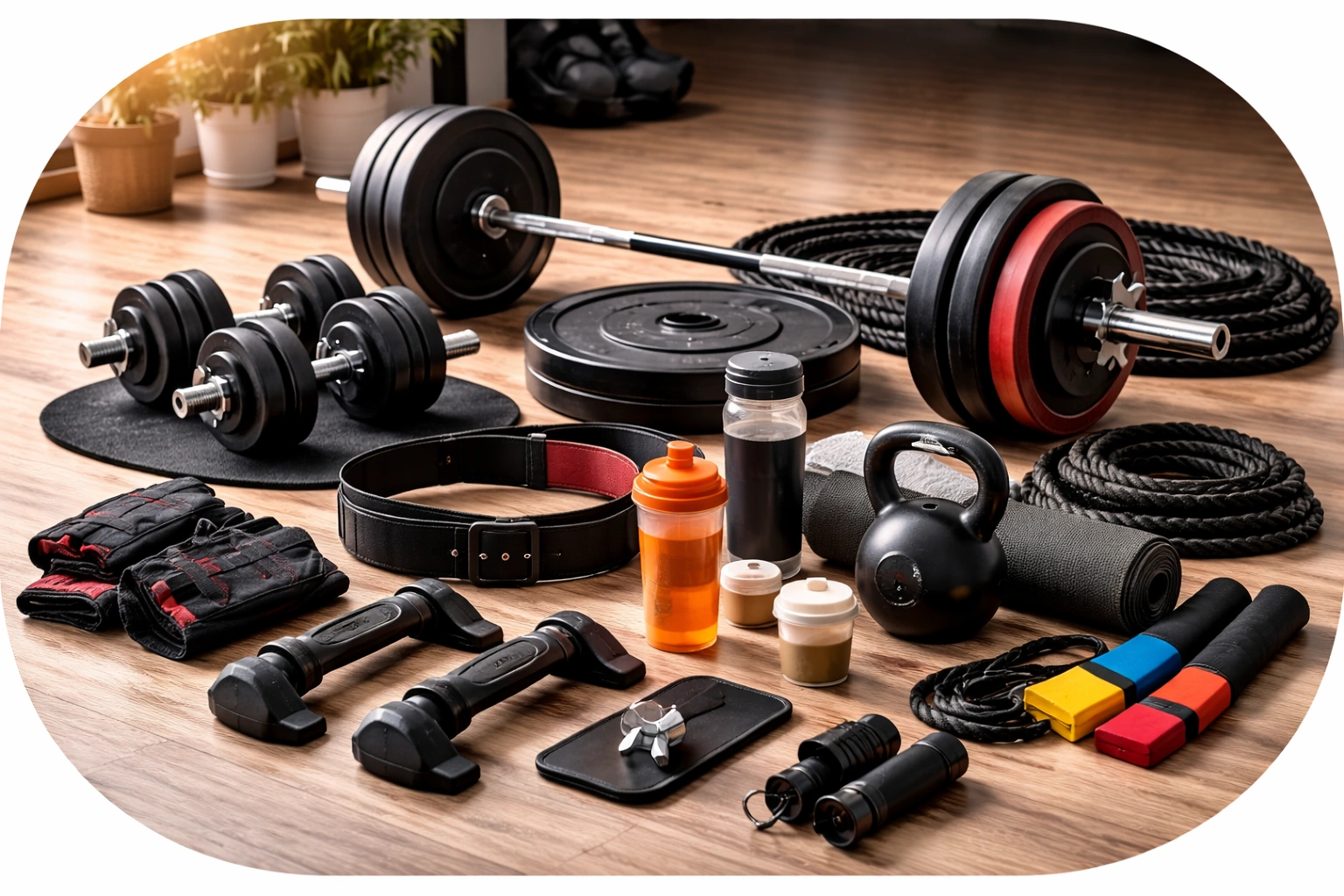
5. Build a Simple Home Workout Space
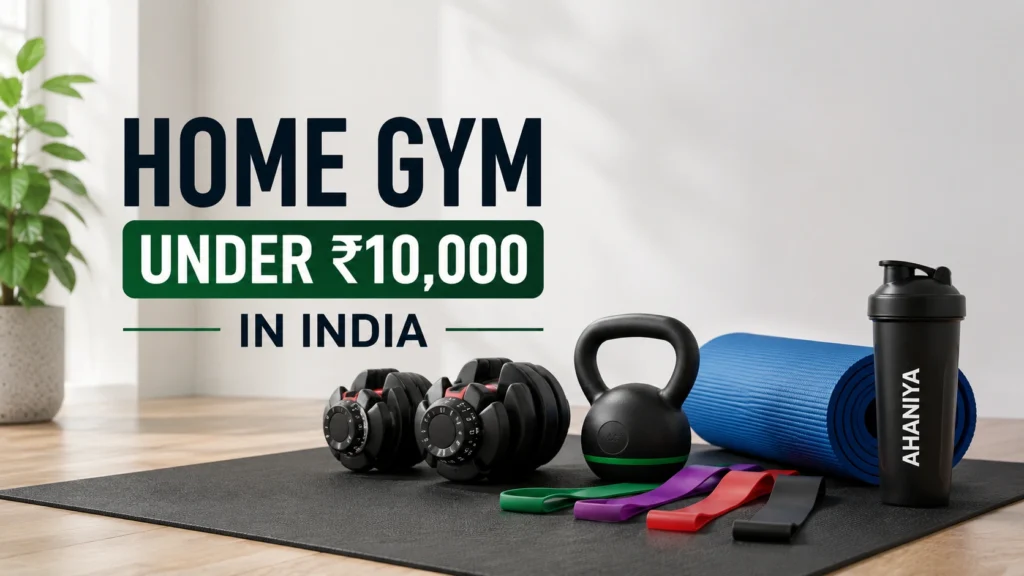
Many of the most effective exercises for controlling blood pressure can be done at home with minimal equipment. A yoga mat, a set of resistance bands, and light dumbbells cover most of what is needed for a complete blood pressure management routine at home. If you are looking to understand what a well-rounded home setup involves, our guide on home gym equipment for beginners covers the key items worth considering without overcomplicating or overspending.
6. Avoid Injury to Stay Consistent
The biggest threat to any exercise program for blood pressure management is injury, because an injury forces you to stop exercising right when consistency matters most. Learning how to use equipment correctly and progress safely is what protects long-term adherence. Our guide on avoiding injuries with home gym equipment covers the practical safety habits that prevent the most common home workout injuries.
Home Equipment That Supports Blood Pressure Management
A few well-chosen pieces of home equipment make it much easier to maintain the consistent exercise routine that blood pressure management requires. You do not need a full gym. The following items cover the most effective exercise types for hypertension.
- Yoga mat: Essential for yoga practice, deep breathing sessions, floor exercises like wall sits and glute bridges, and post-workout stretching. A non-slip surface makes all these activities safer and more comfortable.
- Resistance bands: Ideal for moderate-intensity strength training at home without the pressure spikes associated with heavy weights. Cover bicep curls, rows, shoulder press, squats, and more with one compact set.
- Treadmill for home: For consistent daily walking regardless of weather. Brisk walking is one of the most evidence-backed exercises for blood pressure reduction, and a home treadmill removes every weather and safety excuse.
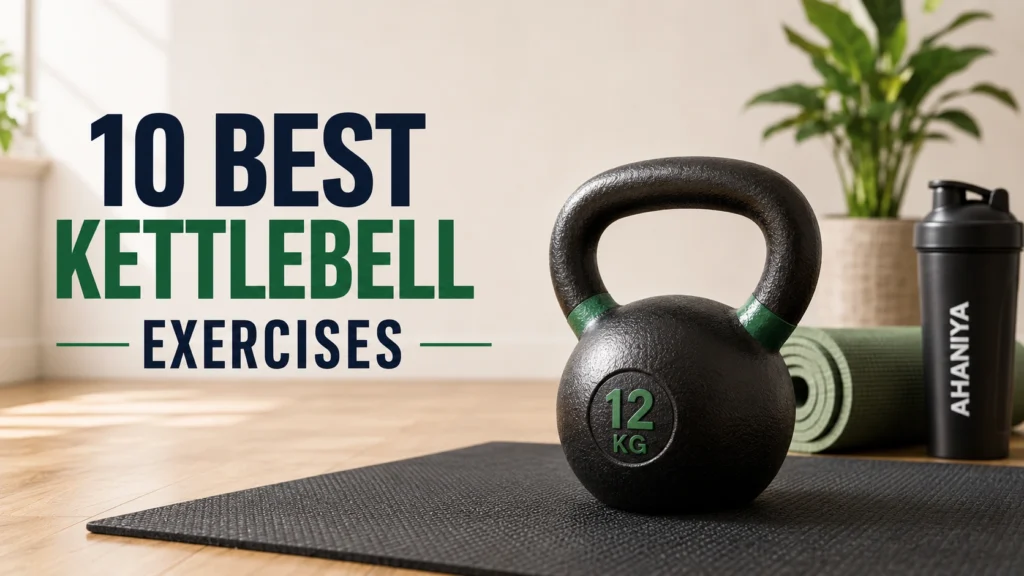
- Cast iron kettlebell: Useful for kettlebell swings, goblet squats, and carries at moderate weight, all of which support cardiovascular fitness without the extreme loading that raises blood pressure dangerously.
At Ahaniya, we focus on helping Indian home gym users find fitness equipment that genuinely fits their space, health goals, and budget. You can explore our full cardio equipment collection for options that support consistent aerobic exercise at home.
Understanding the Dangers of Exercising with Uncontrolled High Blood Pressure
Exercise is safe and beneficial for the vast majority of people with high blood pressure, but there are important situations where caution is required. If your blood pressure reading is 180/120 mmHg or above, this is classified as a hypertensive crisis and requires immediate medical attention before any new exercise is started. At this level, beginning vigorous exercise without medical clearance carries genuine risk of cardiovascular events.
For readings between 140/90 and 179/99 mmHg, it is generally safe to be more active and moderate aerobic exercise is actually recommended as part of treatment. Getting a baseline check with your doctor before significantly increasing exercise intensity is a sensible precaution, particularly if you have not exercised regularly for a long time.
Warning signs to stop exercising immediately and seek medical attention include chest pain, severe shortness of breath disproportionate to the exercise level, dizziness, headache, or any feeling of pressure in the chest, jaw, arm, or upper back. These can be warning signs of cardiac events that require prompt evaluation.
Can You Lower Blood Pressure Quickly at Home
Several common searches ask about lowering blood pressure immediately or in a few minutes, and it is worth addressing this directly and honestly. There is no exercise that permanently cures high blood pressure in minutes. However, certain techniques can produce a temporary reduction in blood pressure that lasts for minutes to a few hours.
Slow deep breathing practiced for five to fifteen minutes activates the parasympathetic nervous system and can produce a noticeable reduction in blood pressure within the session. The 4-7-8 breathing pattern, where you inhale for four counts, hold for seven, and exhale slowly for eight, is one effective technique. Sitting quietly, relaxing the muscles, and breathing slowly with an extended exhale are the core elements that trigger this response.
Isometric handgrip exercises done for five minutes per hand have also shown acute blood pressure lowering effects in clinical studies. These are genuinely useful techniques for moments when blood pressure feels elevated, but they are not substitutes for consistent long-term lifestyle changes and medical treatment when prescribed.
Conclusion
High blood pressure is manageable, and exercise is one of the most powerful tools available for keeping it under control naturally. The evidence is clear that consistent moderate aerobic activity, combined with isometric exercises like wall sits, and supported by stress-reducing practices like yoga and deep breathing, can produce meaningful reductions in blood pressure that rival what some medications achieve alone. The key word is consistent. A 20-minute walk every day for three months will do far more for your blood pressure than an intense gym session twice a month.
Start where you are, build gradually, stay consistent, and work alongside your doctor to monitor progress. At Ahaniya, our focus is on helping people build practical home fitness habits with the right equipment and information. If you are putting together a home workout space for cardiovascular health, our home gym setup guide walks through everything you need to build an effective and practical space without overcomplicating it.
Frequently Asked Questions
1. What is the single best exercise for high blood pressure?
Based on current research, isometric exercises like wall sits are the most effective single exercise type for reducing blood pressure, showing reductions of up to 10 mmHg systolic in studies. However, brisk walking is the most practical and accessible option for most people and produces consistently strong results when done daily. The best exercise is ultimately the one you can do consistently over weeks and months.
2. How long does exercise take to lower blood pressure?
Blood pressure can drop slightly in the hours immediately after a single exercise session. Meaningful and lasting reductions in resting blood pressure typically appear after two to four weeks of consistent exercise. The full benefit of an exercise program on blood pressure usually develops over three to six months of regular activity.
3. Is it safe to exercise if my blood pressure is high?
For most people with elevated or high blood pressure in the range of 140/90 to 179/99 mmHg, moderate exercise is safe and actively recommended. People with readings above 180/120 mmHg should seek medical advice before starting exercise. If you have any cardiovascular disease or other health conditions, always consult your doctor before significantly increasing your activity level.
4. What is the best time to exercise to lower blood pressure?
Morning exercise between 6 am and 8 am may help blunt the natural blood pressure rise that occurs after waking. However, consistency matters more than timing. Exercise at whatever time of day you can maintain as a long-term habit. Avoid vigorous exercise within two hours of bedtime.
5. Can yoga control blood pressure?
Yes. Yoga combined with deep breathing exercises has strong evidence supporting its role in reducing blood pressure, particularly for people whose hypertension is significantly driven by chronic stress. Regular yoga practice three to five times per week can reduce systolic blood pressure by 4 to 10 mmHg over several weeks of consistent practice.
6. Does walking reduce blood pressure immediately?
Walking produces a temporary reduction in blood pressure that can last for several hours after the session, known as post-exercise hypotension. Over weeks of daily walking, this temporary effect accumulates into a lasting reduction in resting blood pressure levels. So while the immediate effect is modest, the cumulative long-term benefit of daily walking is substantial.
7. What is the 7-second trick to lower blood pressure?
Some sources reference a 7-second isometric exercise involving squeezing a handgrip or tensing muscles for very short durations. While isometric handgrip training does have genuine clinical evidence supporting blood pressure reduction, realistic protocols involve multiple repetitions and sessions per week over weeks. There is no single 7-second action that provides lasting blood pressure control. Consistent exercise over time is what actually works.