Starting a fitness routine can feel overwhelming, especially when you are unsure about equipment, exercises, or workout structure. Resistance bands simplify this process by offering a versatile and effective way to train your entire body without heavy weights or machines. They are widely used by beginners, fitness professionals, and even rehabilitation programs because they allow controlled movement with reduced injury risk.
Resistance bands work by creating continuous tension during both the lifting and releasing phases of an exercise. This improves muscle activation, coordination, and endurance. They are also highly practical for home workouts since they require very little space and can be adapted for different fitness levels.
For beginners looking to build strength, improve flexibility, or start a consistent routine at home, resistance band training provides a reliable and scalable solution.
What Are Resistance Bands and How Do They Work
Resistance bands are elastic training tools designed to create tension when stretched. Unlike traditional weights, they provide variable resistance, meaning the tension increases as the band stretches further. This allows muscles to stay engaged throughout the entire movement.
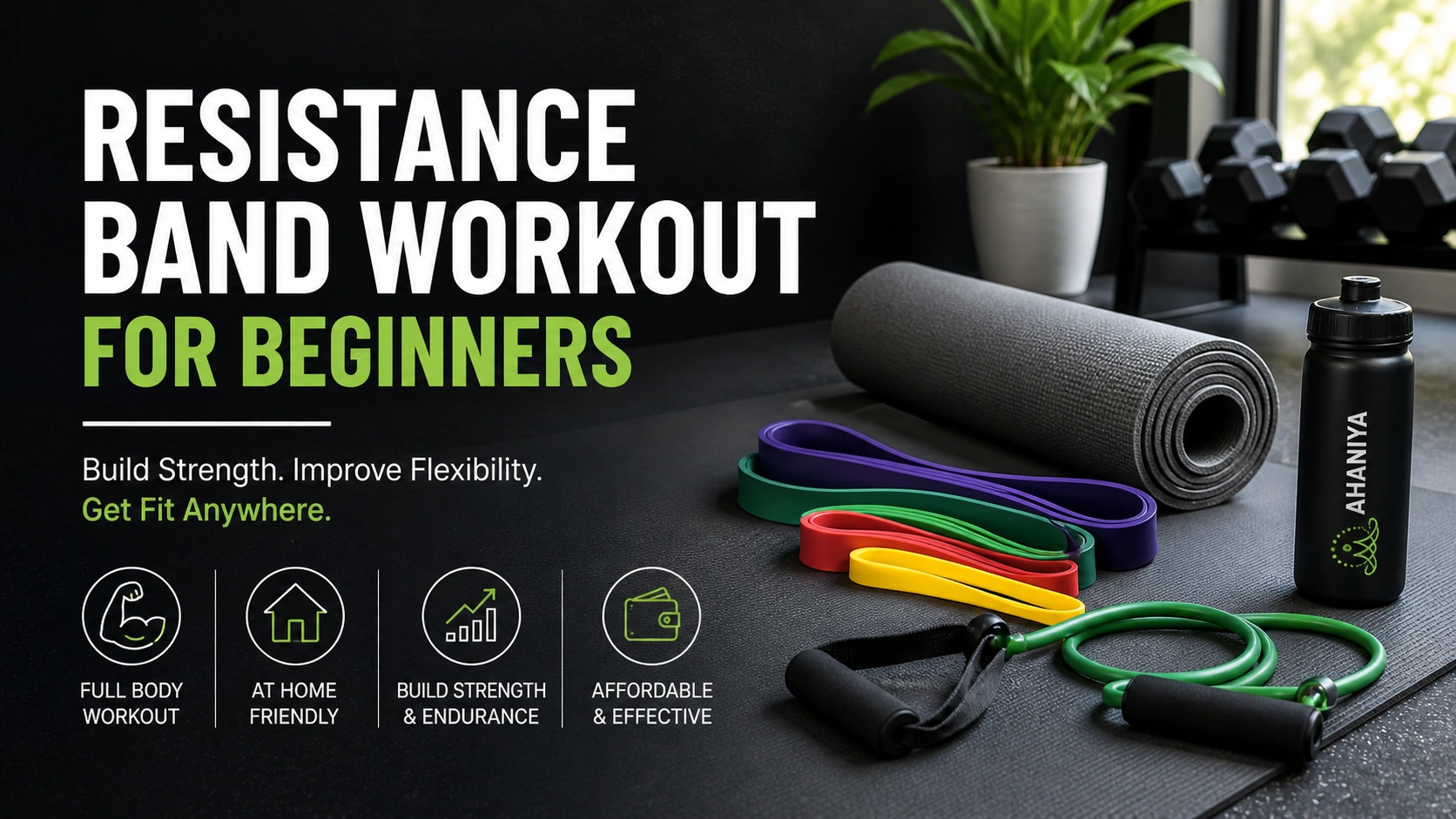
They are available in different forms:
- Loop bands used for lower body and mobility
- Tube bands with handles for upper body exercises
- Flat therapy bands for rehabilitation and flexibility
The ability to adjust intensity simply by changing band length or resistance level makes them ideal for beginners who need gradual progression.
Why Resistance Band Workouts Are Effective
Resistance bands activate both primary and stabilizing muscles. This leads to better muscle engagement compared to many fixed machine exercises. They also improve control and balance, which are essential for beginners learning proper movement patterns.
Another key advantage is constant tension. With dumbbells, resistance is often highest at one point of the movement. With bands, tension is maintained throughout, which enhances muscle endurance and strength development.
They also allow multi-directional movement, which helps train muscles in a more functional way, supporting everyday activities like lifting, pushing, and pulling.
Benefits of Resistance Band Workouts for Beginners
1. Joint-Friendly Training
Resistance bands reduce stress on joints, making them safer than heavy weights, especially for beginners or those recovering from injuries.
2. Full Body Training Capability
A single band can target multiple muscle groups including arms, legs, chest, back, and core.
3. Space Efficient
They require minimal storage space and can be used in small rooms, making them perfect for home workouts.
4. Cost Effective
Resistance bands are one of the most affordable fitness tools and eliminate the need for expensive machines.
5. Improves Flexibility and Mobility
In addition to strength, bands help improve range of motion and muscle control.
6. Progressive Training
You can gradually increase resistance levels as your strength improves without changing your entire setup.
Full Body Resistance Band Workout Plan for Beginners
This routine is designed to target all major muscle groups. Perform 10 to 15 repetitions per exercise and complete 2 to 3 sets.
Lower Body Exercises
1. Banded Squats
Stand with the band above your knees. Lower into a squat while pushing your knees slightly outward. This targets glutes, hamstrings, and quads.
2. Glute Bridge
Lie on your back with the band above your knees. Lift your hips while maintaining tension in the band.
3. Standing Side Taps
Place the band around your ankles and step side to side to activate hip muscles.
4. Leg Press with Band
Push your foot forward against the band while seated or lying down to strengthen your legs.
Upper Body Exercises
5. Bicep Curls
Stand on the band and curl your arms upward while keeping elbows close to your body.
6. Resistance Band Rows
Anchor the band and pull toward your torso, focusing on squeezing your back muscles.
7. Shoulder Press
Press the band overhead while maintaining core stability.
8. Chest Press
Wrap the band behind your back and push forward to target chest muscles.
Core and Stability Exercises
9. Standing Crunch
Pull the band downward while raising your knee to engage core muscles.
10. Band Pull-Aparts
Hold the band at shoulder level and stretch it outward to improve posture and upper back strength.
This combination creates a balanced workout targeting strength, endurance, and mobility across the entire body. Resistance band training can effectively replace multiple gym machines when used correctly.
Weekly Beginner Workout Structure
A structured routine improves consistency and results.
- Day 1: Full body resistance band workout
- Day 2: Light cardio or walking
- Day 3: Rest or mobility exercises
- Day 4: Repeat strength workout
- Day 5: Core and flexibility training
- Day 6: Light activity
- Day 7: Rest
This structure allows muscle recovery while maintaining consistency.
How to Choose the Right Resistance Band
Selecting the correct band is important for effective training.
- Light resistance for beginners and warm-ups
- Medium resistance for regular training
- Heavy resistance for advanced strength work
It is recommended to use a set of bands to allow progression over time.
Common Beginner Mistakes to Avoid
- Starting with high resistance too early
- Not maintaining tension in the band
- Using improper posture or fast movements
- Skipping warm-up and recovery
- Ignoring breathing techniques
Correct form and controlled movement are more important than intensity in the beginning stages.
Safety Tips for Resistance Band Workouts
- Check bands for wear or damage before use
- Anchor bands securely to avoid slipping
- Use controlled movements instead of jerky actions
- Maintain proper alignment of joints
- Stop immediately if you feel sharp pain
These precautions reduce the risk of injury and improve workout effectiveness.
How Resistance Bands Fit Into a Home Gym Setup
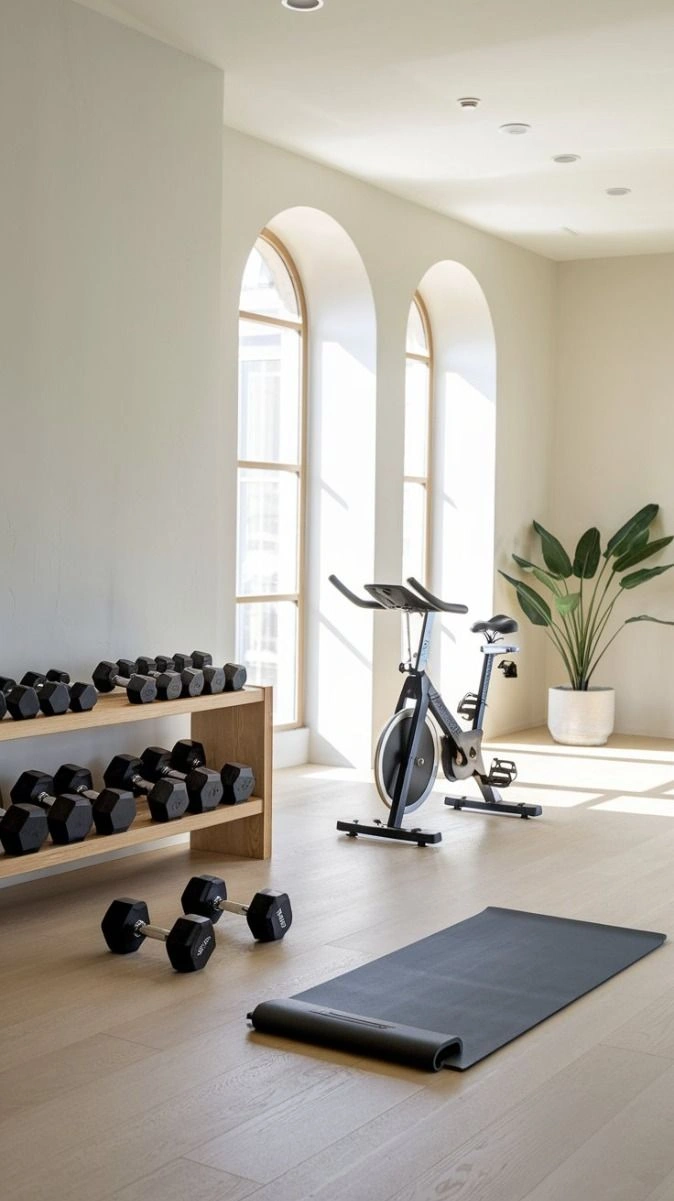
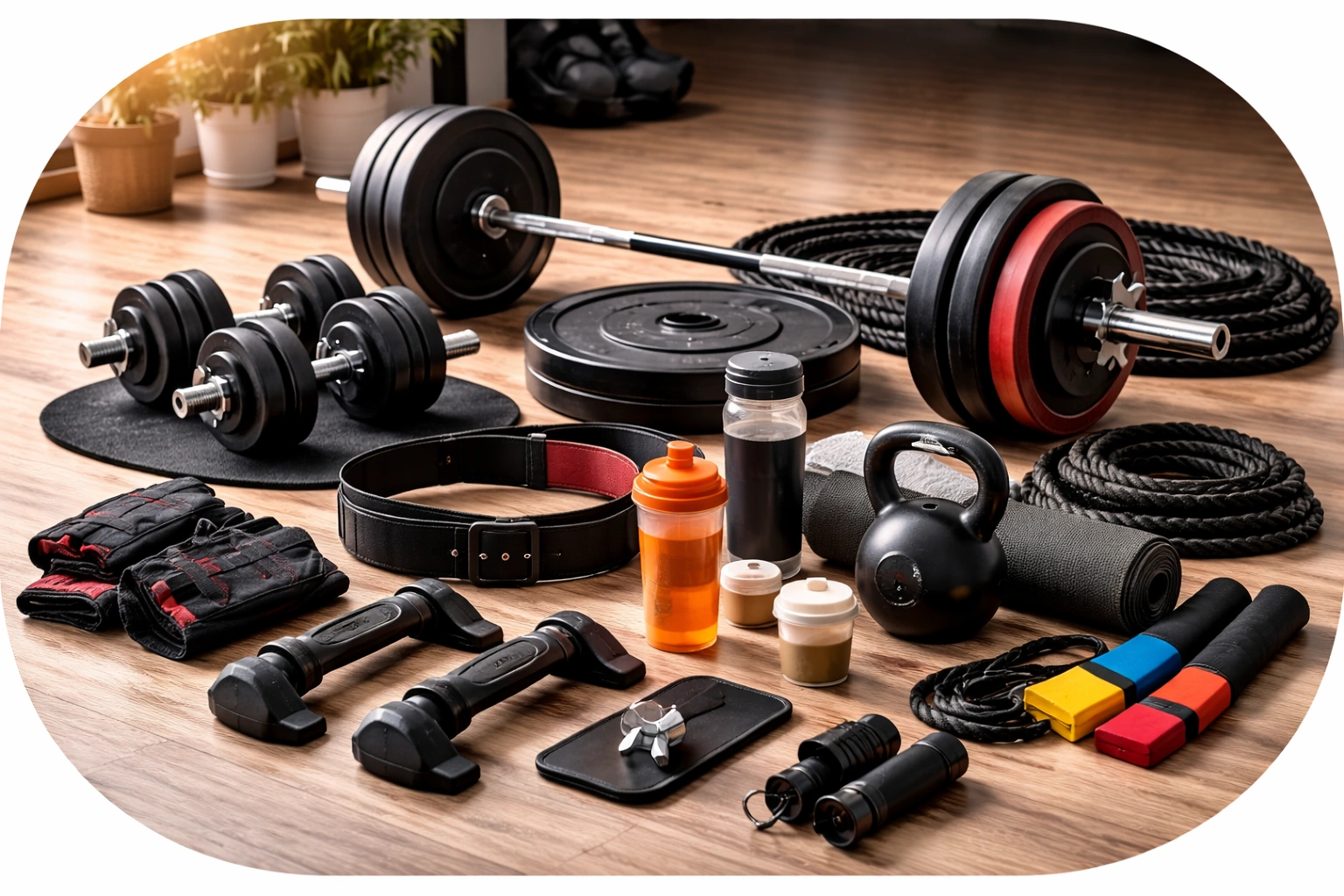
Resistance bands are often the first piece of equipment recommended for home workouts. They complement other tools like dumbbells, mats, and cardio machines.
If you are building a home workout space, understanding layout, equipment selection, and planning is important. You can refer to a home gym setup guide to create a structured and efficient setup that supports long-term fitness goals.
Conclusion
Resistance band workouts offer a simple, effective, and scalable way to start fitness training at home. They combine strength training, flexibility, and mobility into a single tool that fits any space or budget.
For beginners, the focus should be on consistency, proper form, and gradual progression. Over time, resistance bands can become a core part of a complete fitness routine.
Platforms like Ahaniya support this journey by offering accessible fitness equipment designed for home use, making it easier to stay consistent and build a sustainable routine.
FAQs
1. Are resistance bands good for beginners
Yes, they are safe, easy to use, and ideal for building strength gradually.
2. Do resistance band workouts actually work
Yes, they provide constant muscle tension, which improves strength and endurance.
3. What resistance band should a beginner use
Light to medium resistance bands are best to start with.
4. How many days should I train with resistance bands
2 to 3 days per week is effective for beginners.
5. What is the 3 3 3 rule in workouts
Three exercises, three sets, performed three times per week.
6. Can resistance bands replace gym equipment
For beginners, yes. They can provide full body workouts without machines.
7. Are resistance bands safe for joints
Yes, they are low-impact and reduce joint stress.
8. Can resistance bands help in weight loss
Yes, when combined with regular activity and proper nutrition.