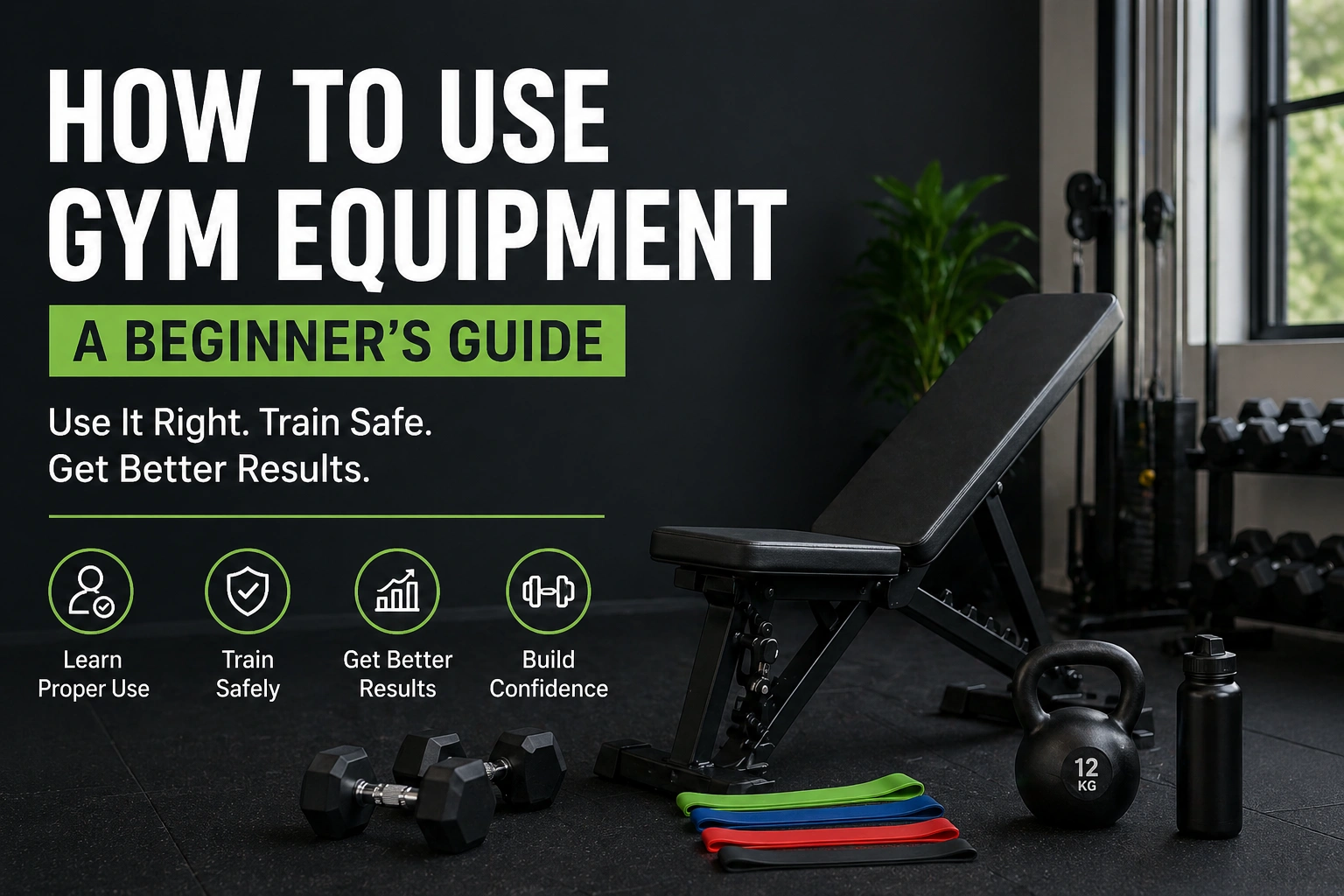
Walking into a gym or setting up a home workout space can feel overwhelming when you are surrounded by unfamiliar machines and tools. Treadmills, rowers, cable stations, benches, resistance machines, and free weights all serve different purposes, but learning how to use gym equipment does not have to be complicated.
The key is understanding what each piece of equipment does, how to adjust it correctly, and how to use proper form from the beginning.
In this beginner guide, you will learn how to use popular gym equipment safely, what mistakes to avoid, and how to build confidence whether you train at a commercial gym or with home gym equipments.
Why Learning Proper Equipment Use Matters
Using equipment correctly helps you:
- Reduce injury risk
- Improve exercise effectiveness
- Target the right muscles
- Build confidence as a beginner
- Progress faster with better technique
If you are just building a home setup, you may also like our guide on best home gym equipment for beginners.
Start With These Basic Gym Rules
Before using any machine or free weight, remember these fundamentals:
1. Adjust Every Machine to Your Body
Never use someone else’s seat setting or weight selection without checking it.
Adjust:
- Seat height
- Back support position
- Safety stops
- Handle position
- Weight stack pin
Proper alignment protects joints and improves movement quality.
2. Start Light First
One of the biggest beginner mistakes is loading too much weight.
Use a resistance that allows:
- 10 to 12 controlled reps
- Proper posture
- Smooth motion
- No momentum or jerking
You can increase weight later.
3. Focus on Form Before Intensity
Perfect technique beats heavy resistance.
Use slow controlled reps and full range of motion.
How to Use Cardio Equipment
Cardio machines are often the easiest place for beginners to start.
Good for:
- Walking
- Jogging
- Fat loss training
- Endurance
How to use it:
- Attach the safety clip.
- Start at low speed.
- Keep posture upright.
- Add incline only after you feel comfortable.
- Avoid holding side rails unless needed for balance.
Beginner tip: Start with 15 to 20 minutes brisk walking.
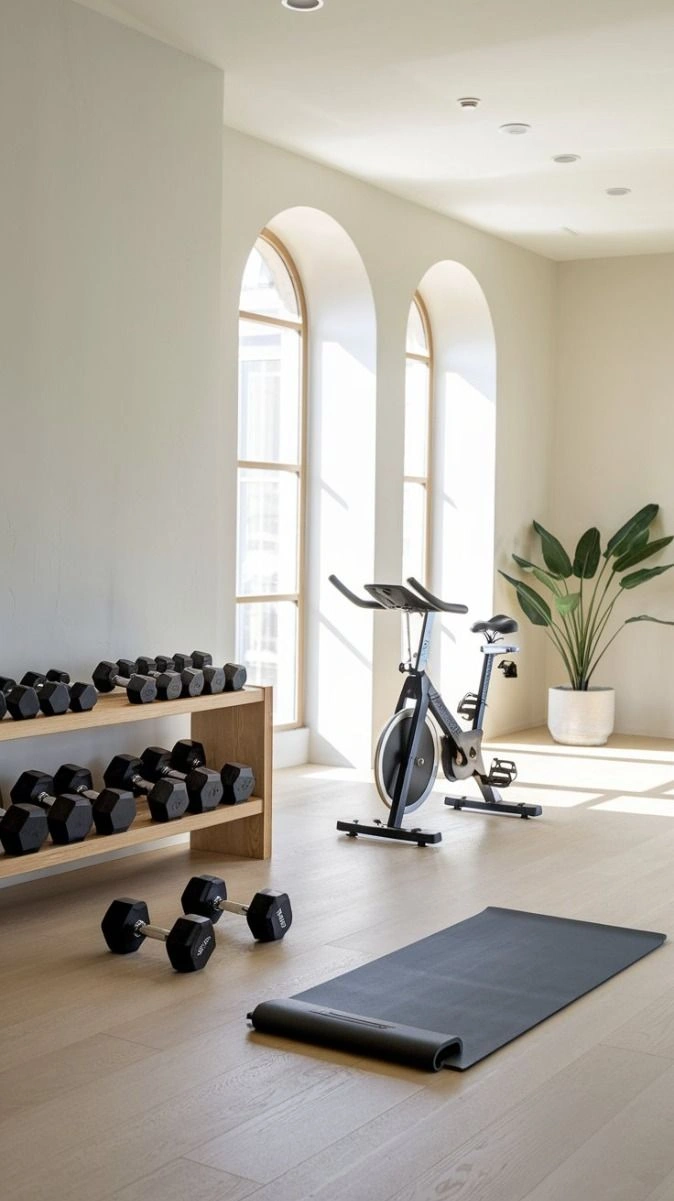
2. Exercise Bike
Stationary bikes are beginner-friendly and low impact.
Best for:
- Joint-friendly cardio
- Warm-ups
- Weight loss
Set seat height so knees stay slightly bent at the bottom pedal position.
3. Rowing Machine
The rower trains:
- Back
- Legs
- Core
- Cardio endurance
Remember the sequence:
Legs → hips → arms.
Return in reverse.
Poor rowing form often causes lower back strain, so begin light.
4. Cross Trainer or Elliptical
Ideal for beginners wanting full-body cardio with lower impact than running.
Maintain steady rhythm and avoid leaning too heavily on handles.
How to Use Strength Machines
Resistance machines guide movement, making them excellent for beginners.
1. Leg Press Machine
Targets:
How to use:
- Place feet shoulder width apart.
- Lower until knees reach about 90 degrees.
- Press through heels.
- Do not lock knees.
Common mistake: Lowering too deep and rounding the lower back.
2. Chest Press Machine
Targets:
Setup:
Adjust seat so handles line up near mid-chest.
Press forward in control and return slowly.
3. Lat Pulldown Machine
Excellent beginner back exercise.
Tips:
- Grip slightly wider than shoulders.
- Pull bar toward upper chest.
- Avoid leaning backward excessively.
- Control the return.
4. Seated Row Machine
Helps improve posture and upper back strength.
Pull elbows back while keeping chest lifted.
5. Shoulder Press Machine
Press upward without locking elbows.
Use light loads at first to learn shoulder mechanics.
How to Use Free Weights Safely
Machines are helpful, but free weights teach stability.
Start with:
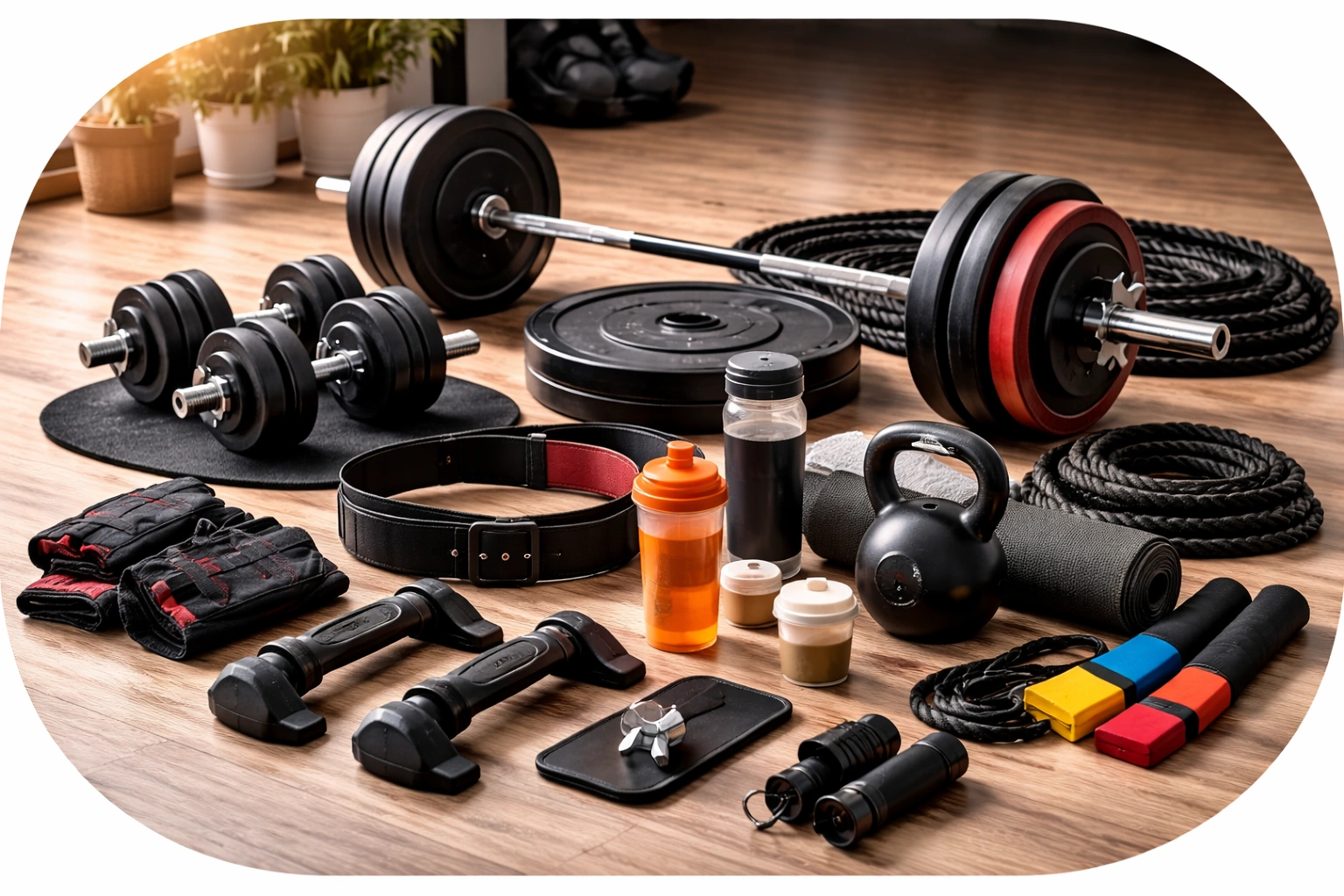
1. Dumbbells
Good beginner exercises:
- Goblet squats
- Shoulder press
- Dumbbell rows
- Chest press
If buying your first weights, explore our adjustable dumbbells sets.
2. Kettlebells
Useful for:
- Swings
- Deadlifts
- Goblet squats
Keep spine neutral and learn technique before increasing load.
3. Resistance Bands
Bands are excellent for:
- Warm-ups
- Mobility
- Strength training
- Rehab work
Browse our resistance bands for best quality bands.
Basic Beginner Gym Workout Using Machines
A simple beginner full-body session:
1. Warm-Up
5 minutes treadmill walk
Strength Circuit
- Leg Press: 3 x 10
- Chest Press: 3 x 10
- Lat Pulldown: 3 x 10
- Seated Row: 3 x 10
- Shoulder Press: 2 x 12
2. Cool Down
5 minutes light cycling or walking
Simple, effective, and beginner-friendly.
Common Mistakes Beginners Make
1. Using Too Much Weight
This leads to poor form and injuries.
Progress slowly.
2. Skipping Setup Adjustments
Always adjust machines.
Poor alignment reduces results.
3. Moving Too Fast
Momentum is not muscle.
Control every rep.
4. Ignoring Recovery
Rest is part of progress.
Foam rollers can help with recovery and mobility.
Safety Tips for Using Gym Equipment
Follow these simple rules:
- Wipe equipment after use
- Re-rack weights
- Ask staff if unsure
- Use collars on barbells
- Check pins are secure
- Warm up before lifting
- Never sacrifice form for ego
For additional injury prevention tips, read our guide on avoiding workout injuries with proper equipment choices.
What Equipment Should Beginners Buy First?
If building a home gym, start simple.
Prioritize:
-
- Adjustable dumbbells
- Resistance bands
- Workout bench
- Cardio machine if needed
You do not need a room full of machines to train effectively.
Home Gym vs Commercial Gym Equipment
Home Equipment Advantages
- Privacy
- Convenience
- No commuting
- Long-term value
Commercial Gym Advantages
- More machine variety
- Heavy equipment access
- Coaching support
Many beginners combine both.
Conclusion
Learning how to use gym equipment is less about memorizing every machine and more about mastering safe fundamentals.
Start with simple machines, focus on form, increase resistance gradually, and keep workouts consistent.
Whether you train in a commercial gym or build a home setup with quality equipment from Ahaniya, smart training always begins with proper technique.
FAQs
1. What gym equipment should beginners use first?
Beginners should start with treadmills, resistance bands, dumbbells, leg press machines, and chest press machines.
2. How do I start using gym machines?
Begin by adjusting the machine, selecting a light weight, and learning the movement pattern before increasing resistance.
3. What is the best gym equipment for weight loss?
Treadmills, rowing machines, exercise bikes, and resistance training equipment all support fat loss.
4. Should beginners use free weights or machines?
Machines are often easier for beginners, while free weights can be added as technique improves.
5. How much weight should a beginner lift?
Use a weight that allows 10 to 12 reps with good form while feeling challenging near the final reps.
6. What is the 3-3-3 rule in gym training?
It often refers to training three muscle groups, three exercises, and three sets, though interpretations vary.
7. What gym equipment is best for home workouts?
Adjustable dumbbells, resistance bands, benches, kettlebells, and compact cardio machines are great starting options.
8. How often should beginners use gym equipment?
Most beginners do well with strength training two to four times per week plus light cardio.